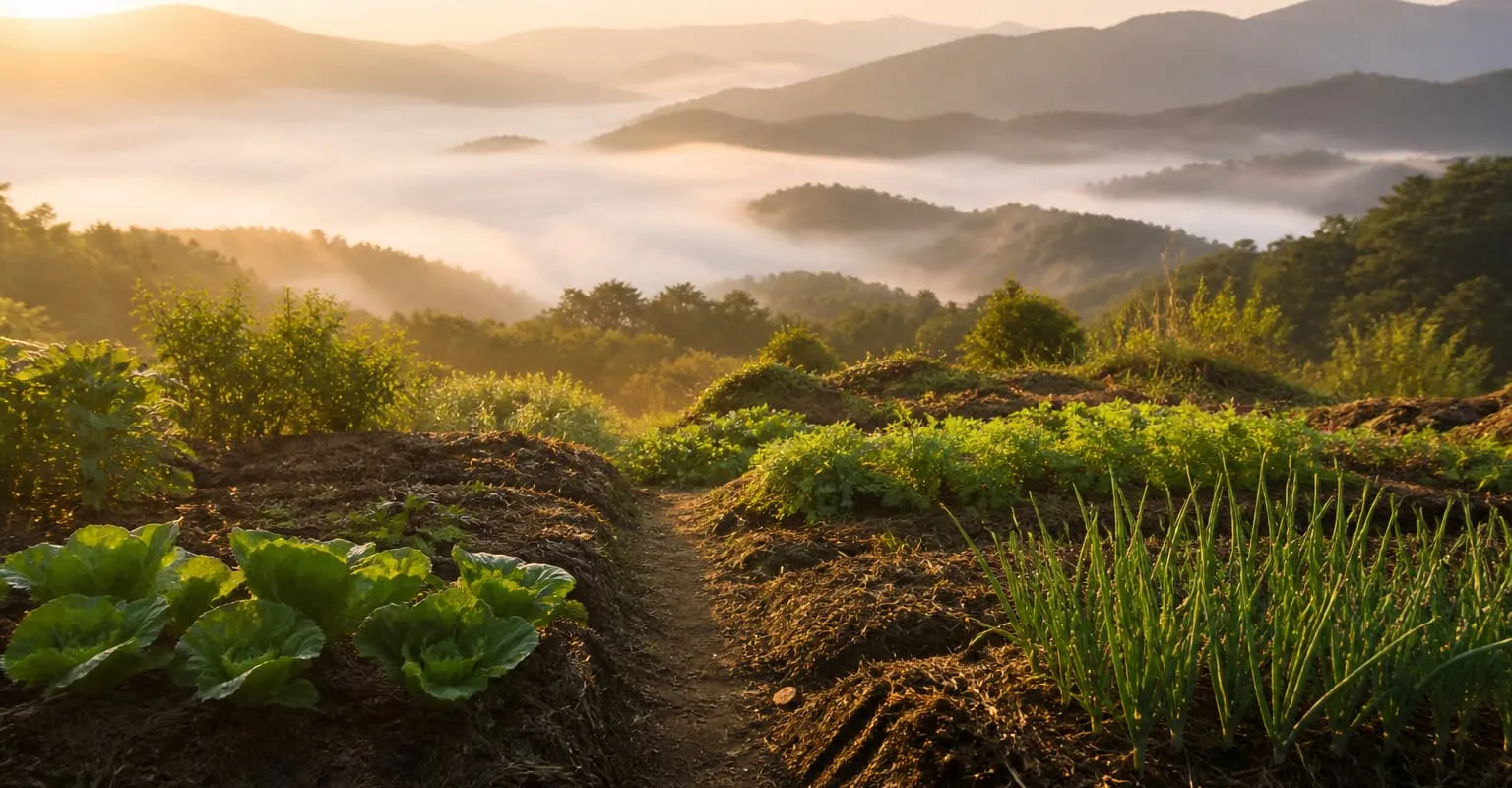
Born on September 2, 2026: earth Rabbit that tends the quiet plot while Fire weather races the valley
Saju for 2026-09-02 — Gi-Myo day under Byeong-O year and Byeong-Sin month. Eight boxes; hour fixed to Ja when unknown.
Source: Korelay saju engine
If you were born on September 2, 2026, the traditional Korean sketch is this: a garden bed kept in order while double fire keeps the valley shouting — Gi over Rabbit, yin earth that prefers steady nourishment to public blaze, a self that earns trust by feeding what grows slowly when Fire Horse year heat and a Fire Monkey month keep rewriting every schedule outside.
Saju (사주) here is the eight-character board (사주팔자): Fire Horse year, Fire Monkey month, Earth Rabbit day, Ja-hour fill.
Year · Month · Day · Hour · hour unknown → fixed to Ja hour (자시, ~11pm–1am)
- Top = upper letters
- Bottom = lower letters
병오 · 병신 · 기묘 · 갑자 — read left to right as year, month, day, hour.
What the first six letters are doing
병오 year is Fire Horse climate — bright heat, public pace, a decade that rewards visible motion. 병신 month stacks another Byeong fire on Monkey: quick talk, flexible deals, season manners that pivot under pressure. Two yang Fire stems keep the outer weather loud; the day column answers with yin Earth on Rabbit wood instead of matching blaze for blaze.
기묘 day is the “you” stamp. Gi (기) is yin Earth — garden soil, mulched beds, nourishment that shows up as patience rather than spectacle. Rabbit (묘) is spring wood in the branch cycle: tact, timing, a soft edge that notices the room before it commits. Year and month both sell fire and monkey speed; the day stem adds earth that feeds the rabbit’s careful pace rather than dragging it into stillness.
Fused: Fire Horse weather outside, Monkey-month hustle in season, day self that moves as Earth Rabbit — earth Rabbit that tends the quiet plot while Fire weather races the valley.
In practice the Monkey month still rewards clever pivots; Earth Rabbit day asks whether your steadiness is grounded care or merely hiding from a season that already runs hot. Horse years love forward motion; this day stamp rewards the person who can keep a private plot alive without mistaking every loud gate for ground worth abandoning. When the month offers one more fast deal, the useful question is which bed you keep watering long enough for slow growth to mean something.
The hour column (why it is filled)
Birth hour is unknown on a calendar-day chart, so Korelay fixes Ja hour and writes 갑자 — yang Wood over Rat, per the five-rat stem table on a Gi day. That last pair shifts from yin earth and rabbit wood to yang wood at midnight: new shoots beside daylight garden, Rat channels underneath both columns. Treat the hour as a light sketch for children and later life — useful for sibling comparisons or late-life tone, never a substitute for a timed chart. If the real hour is known, swap only the last pair; 병오 / 병신 / 기묘 still frame the portrait.
Gap at Ja on Rat can read as who finds the upward sprout while who tends the quiet bed: wood that reaches beside earth that already chose nourishment over parade. Keep the hour soft — a literacy hint on how the fourth column fills when hour is unknown, not a command to outgrow every path the day is still cultivating.
Caveat
Cultural sketch, not medical, financial, or sealed-fate advice. Ja hour is a disclosed stand-in. Do not read Earth Rabbit as a command to refuse every fast offer; read it as a literacy frame for how Korean calendars stamp a day with yin earth while Fire Horse weather and a Fire Monkey month stay bright.
Source
Korelay board for 2026-09-02: 병오 / 병신 / 기묘 / 갑자 (자시 fixed).