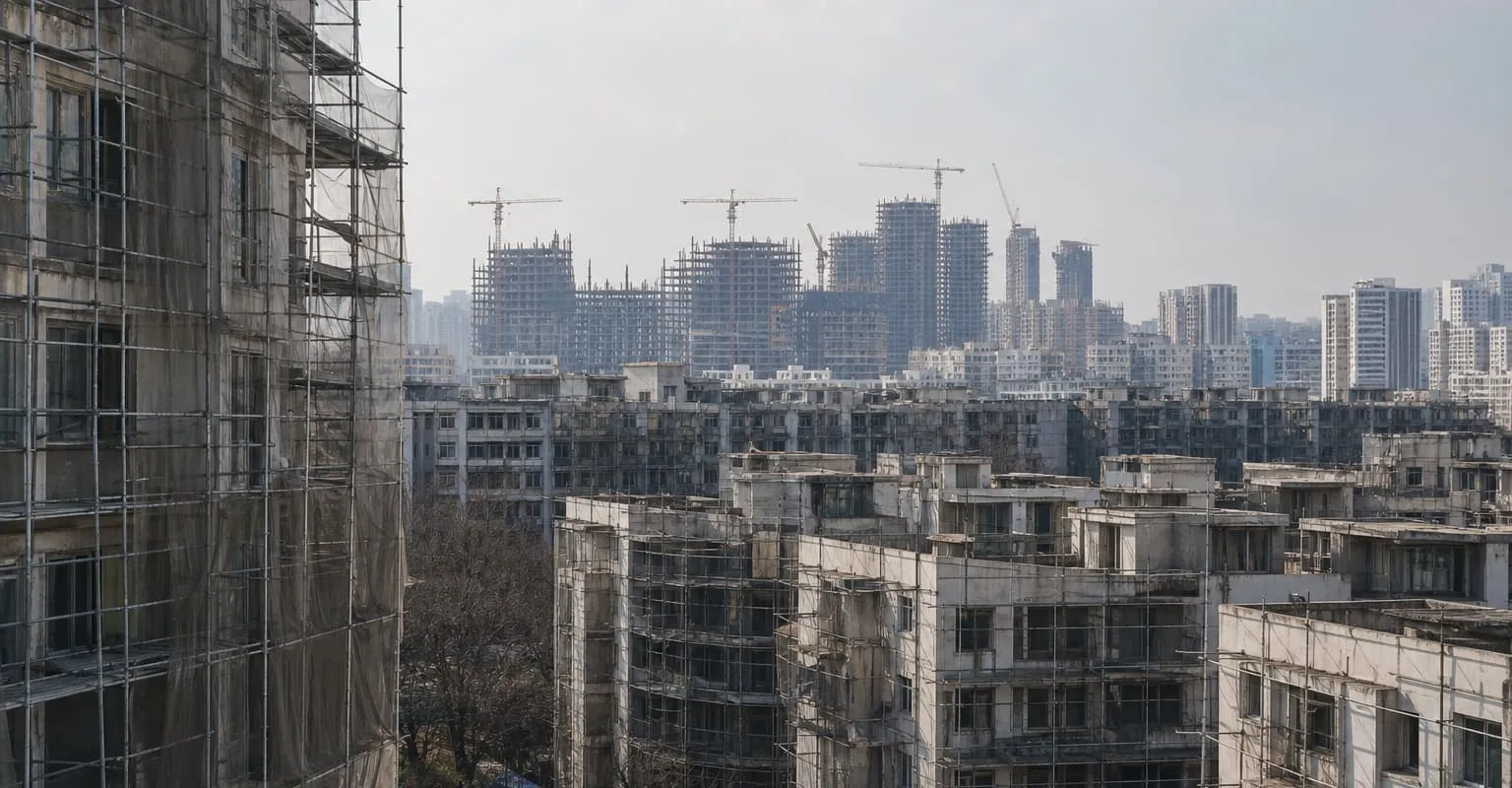
Korea society brief: young homeownership hits a record low
Ownership for Koreans 39 and under fell to 27.7% — and why that gap matters if you rent, relocate, or plan a Korea-tied household.
Source: The Korea Times
What happened
According to The Korea Times, citing Korean Statistical Information Service figures released Sunday, the homeownership rate for people 39 and under fell to 27.7 percent last year — down 2.4 percentage points from 2024. That is the lowest reading since 2017, and a 13 percentage point drop from the 40.7 percent peaks in 2018 and 2019.
Older cohorts moved far less. Ownership among people in their 50s slipped 0.6 points to 63.5 percent; among those 60 and older, it fell 0.4 points to 68.5 percent. The Times frames the result as the widest generational ownership gap since 2017.
The breakdown
The ownership gap is now a wealth gap with hard numbers:
- 50s vs under-40: 35.8 percentage points
- 60+ vs under-40: 40.8 percentage points
- Net assets for households 39 and under: 219.5 million won (about $150,000), down 0.9 percent year-on-year
- Net assets for households in their 50s: 551.61 million won, up 7.9 percent
- Net assets for households 60 and older: 535.91 million won, up 3.2 percent
Asset-bracket ownership is even more polarized. The bottom 20 percent by net assets owned homes at 6.8 percent; the top 20 percent at 84.2 percent — a 77.4-point gap. Average home prices in the top bracket (686.77 million won) were 117.4 times the bottom-bracket average (5.85 million won).
Politically, housing is already biting. A Gallup Korea poll of 1,003 voters released Friday put President Lee Jae Myung’s approval at 51 percent, a third straight weekly decline, with real estate the top disapproval reason at 22 percent.
Why it matters outside Korea
If you are an overseas Korean sending money home, a relocating professional shopping Seoul rentals, or a partner planning a Korea-tied marriage household, this is not abstract inequality copy. It tells you the under-40 ownership ladder is still lengthening while older cohorts hold the asset stock — so rental competition, deposit size, and “when can we buy” timelines stay harder than the chip-boom mood music suggests.
Read it as a household-balance-sheet update, not a claim that nobody young ever buys. The Times data is about ownership rates and net assets by age, not a ban on first purchases.
What travelers and expats should watch
- Do not budget from 2018–19 ownership nostalgia. The under-40 rate is 27.7 percent, not the old 40.7 percent peak — assume longer rental stretches and larger deposits.
- If you hold or co-own Korea property from abroad, watch Lee-administration holding-tax and public-rental talk as policy follow-through, not vibes; the Times notes both appeared at last week’s public forum.
- Expect rental demand pressure where young households cannot convert income into ownership — especially in Seoul metro job magnets.
- Approval politics can move rules fast. With housing as the top disapproval driver, loan and tax tweaks can arrive on short notice; re-check terms before signing a lease or purchase contract.
Context
Korelay frame: read this as a balance-sheet generation gap, not a simple “young people refuse to buy” morality tale. The wire numbers show older cohorts still holding ownership and growing net assets while the under-40 ownership rate hits a multi-year low. That is the operational signal for anyone whose Korea life depends on rent, deposits, or a delayed purchase — not another generic housing-bubble headline.
Korelay take
Korelay frame: read this as a balance-sheet generation gap, not a simple “young people refuse to buy” morality tale. The wire numbers show older cohorts still holding ownership and growing net assets while the under-40 ownership rate hits a multi-year low. That is the operational signal for anyone whose Korea life depends on rent, deposits, or a delayed purchase — not another generic housing-bubble headline.
Editor note: Desk reporting supplies the timeline; Korelay adds the overseas behavior layer (what to change, what not to assume, what to re-check). If you only need the wire facts, open the primary link in Source.
Source
The Korea Times: Young Koreans’ homeownership falls to record low, widening generational gap — paraphrased for briefing; read the original for full detail. Not investment or legal advice.