Korea society brief: Housing mood drives a dual swap — young deputy PM and supply-focused land minister
Seoul Shinmun reports Lee Jae Myung will replace both the finance and land ministers on Aug. 30, elevating a 1971-born MOEF vice minister and a Gyeonggi housing veteran to reset tax and supply politics.
Source: Seoul Shinmun · 정치
What happened
On Aug. 30, 2026, President Lee Jae Myung decided to replace both Ku Yun-cheol, deputy prime minister for economic affairs and minister of economy and finance, and Kim Yoon-deok, minister of land, infrastructure and transport, Seoul Shinmun reports. Attention is fixed on whether the double swap can reset worsening real-estate public sentiment — the reshuffle is widely read as a cabinet refresh tied to housing politics, not an isolated personnel tweak.
The breakdown
A government official quoted in the piece said the moves are “probably because the finance ministry is handling tax reform and the land ministry is handling rising home prices and supply measures,” but added that “rather than Ku and Kim having done something wrong, they seem to have become political sacrifices for a public-sentiment reset.”
Tax friction: Ku oversaw a tax-reform package that included stronger holding taxes on non-resident single-home owners (비거주 1주택자). That drew public pushback; the ruling party and Blue House later aligned on not discriminating against non-resident single-home owners.
Finance pick — Lee Hyung-il: The MOEF first vice minister is nominated to jump straight to deputy prime minister and finance minister — a “bold appointment” in Seoul Shinmun’s telling. Born 1971, civil-service exam 36th class (Ku is 32nd), Lee would be a relatively young economic commander. MOEF insiders cite Blue House dispatch experience and strong internal trust; some outsiders question leading older economy ministers.
Land pick — Hong Ji-seon: The MOTIE second vice minister is a supply-focused operator — former Gyeonggi provincial urban-housing bureau chief and Namyangju vice mayor. He worked with Lee when Lee was Gyeonggi governor, coordinating urban-housing policy in the field. The nomination reads as a message to accelerate housing supply.
Parallel moves: Lee So-young, a Democratic Party lawmaker and climate-environment lawyer, is nominated for SMEs minister. Lee Won-ju, energy-policy director at the climate-energy-environment ministry, was named to a new Blue House mega-project advisor post — pairing housing speed with climate-energy staffing.
Why it matters outside Korea
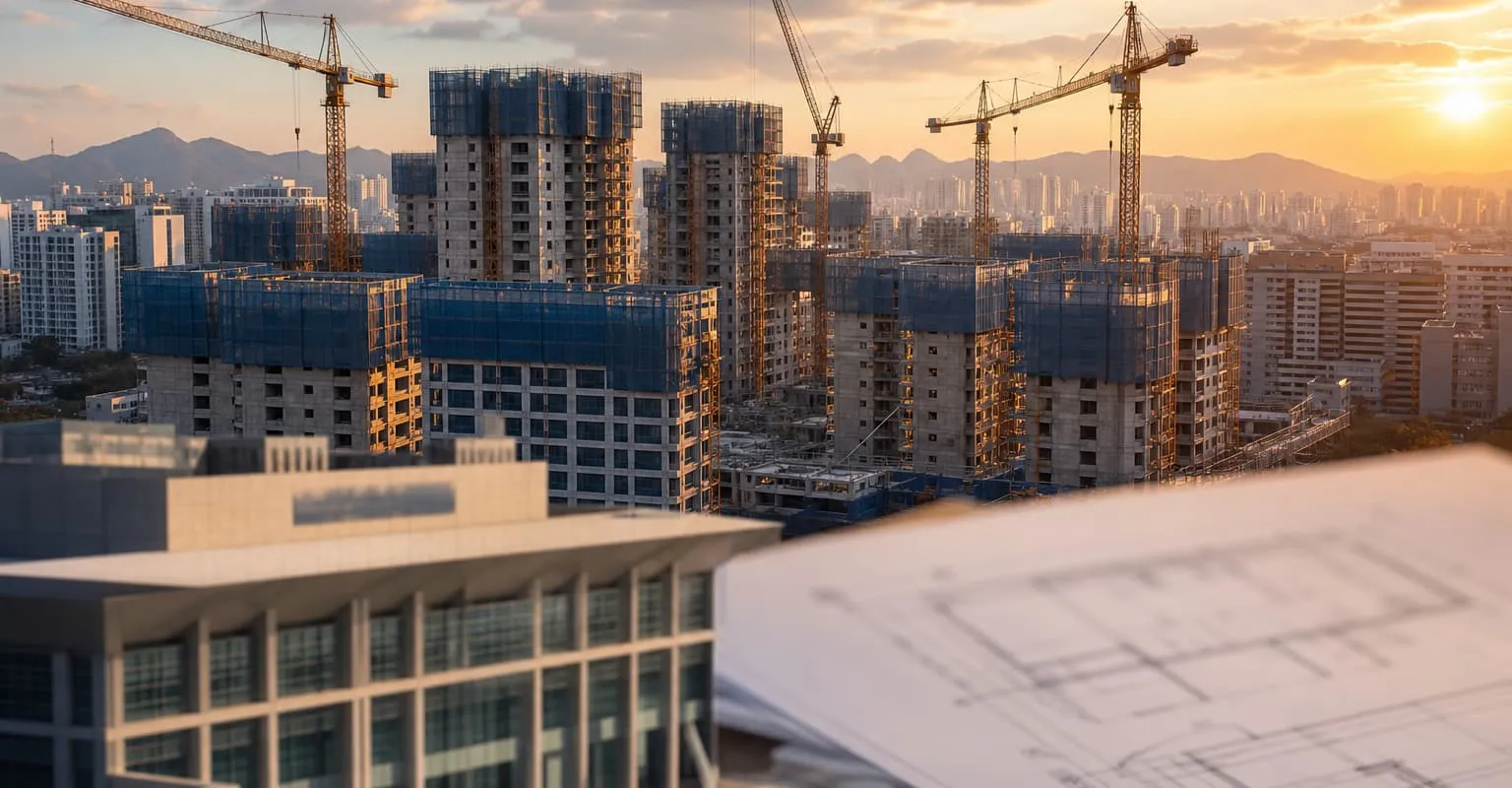
Foreign readers often treat Korean housing as a market chart. This day is political risk on tax and supply execution: a president swapping both economic and land chiefs while non-resident single-home tax debate is still live. Anyone with a Korean property, a jeonse lease, or construction exposure should read Aug. 30 as a coordination reset, not a finished policy outcome.
What travelers and expats should watch
- Non-resident one-home owners: The ruling party already moved away from discriminating against 비거주 1주택자 in the tax fight Ku led; watch the Lee Hyung-il confirmation hearings and any revised holding-tax drafts before selling, gifting, or restructuring a single domestic unit from abroad.
- Supply timelines, not slogans: Hong’s Gyeonggi housing track signals faster public-site and regional supply pushes — do not treat headlines as near-term rent relief; re-check lease renewals and employer housing allowances against current asking rents, not reshuffle rhetoric.
- Confirmation calendar: Both nominees face Assembly scrutiny; overnight amendments to redevelopment, rental, or tax bills can move during that window — recheck lease clauses before signing long Seoul or Gyeonggi contracts this fall.
- SME/climate crossover: Lee So-young’s environment-law background and the new Blue House mega-project energy advisor slot may surface green-building or industrial-site rules that affect factory districts and suburban housing — relevant for relocations outside central Seoul.
Context
Read this as a housing-mood cabinet sacrifice play plus a supply-speed bet, not proof that home prices fall next quarter or that non-resident tax risk is gone. Seoul Shinmun’s frame is political: Ku and Kim were less “fired for failure” than removed to change the mood, while Lee and Hong are chosen to run tax files and build sites in closer rhythm with the president’s Gyeonggi-era housing instincts.
Source
Seoul Shinmun · 정치: 집값 전쟁에…‘정책통’ 젊은 부총리 ‘李와 호흡’ 실무형 장관 — Korean original; published Aug. 30, 2026; paraphrased for briefing.