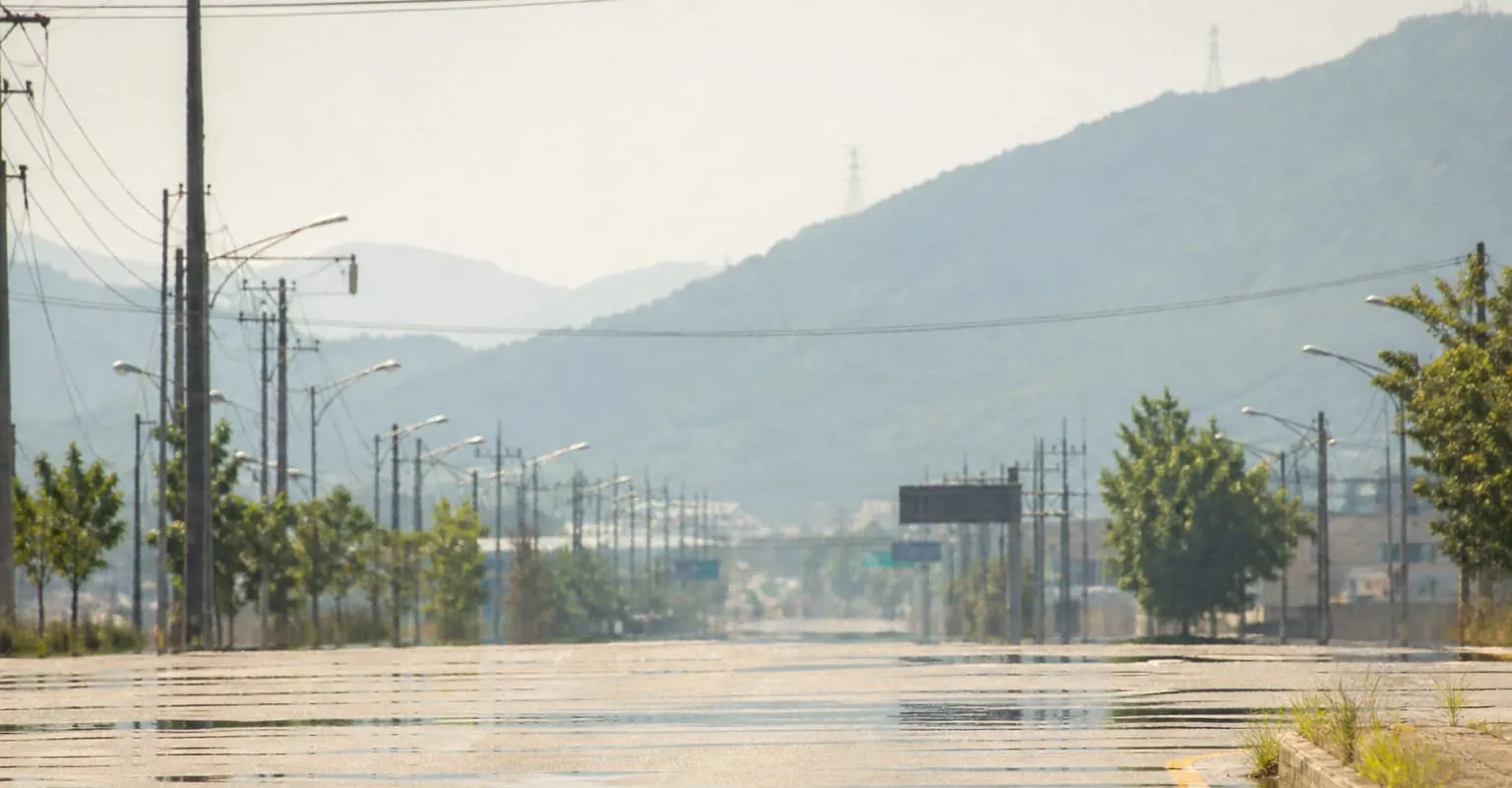
Korea society brief: Yangsan hits 42.5 C — Korea's hottest reading on record
KMA logged 42.5 C in Yangsan on Aug 2, a modern-era high, as Seoul went to heat-wave warning and the government raised Level 2 disaster response — what travelers and residents should change this week.
Source: Yonhap
What happened
According to Yonhap, Yangsan in South Gyeongsang Province hit 42.5 C at about 1:26 p.m. on Sunday (Aug 2), after touching 42 C ten minutes earlier. The Korea Meteorological Administration (KMA) framed it as the highest reading among its 97 long-term stations since modern observations began in 1904. Sunday was the fifth straight day above 40 C in Yangsan. Gyeongju also crossed 40 C (about 40.3 C by mid-afternoon), its first such reading of the year.
The government activated Level 2 emergency operation of the Central Disaster and Safety Countermeasures Headquarters from 1 p.m. — Yonhap notes the first such heat activation in three years (since August 2023) and only the second since extreme heat was classed as a natural disaster. Prime Minister Han Seong-sook ordered intensified checks on heat-vulnerable groups and stable power and water supply. Officials advised cutting outdoor activity. Government data cited by Yonhap put heat-related patients at 1,781 and heat-related deaths at 13 for May 15–July 31.
The breakdown
This is not a one-day spike story. Yonhap’s ladder shows heat arriving earlier each day in Yangsan, with officials openly worrying about readings past 43 C. The Level 2 posture is the operational tell: ministries and provinces are under emergency coordination, not just advisory language. A parallel Korea Times report (fetched same session) adds Seoul’s upgrade to a citywide heat-wave warning and notes KBO southern games canceled or delayed when first-pitch forecasts topped 38 C — useful for anyone with tickets, not just weather apps.
Why it matters outside Korea
If you fly into Gimhae/Busan, work a plant visit in the southeast, or manage staff in Seoul this week, treat 42.5 C as a logistics and duty-of-care reset. Outdoor shoots, walking tours, and midday transfers become medical risk, not inconvenience. Overseas visitors often under-read Korean heat alerts; Level 2 means the state is already in multi-agency response mode.
For Korea-touching employers, midday outdoor work in the southeast is a liability event while Level 2 stands, even if Seoul feels only warning-level hot. Build cooling breaks into plant and hotel itineraries the way you build traffic buffers.
What travelers and expats should watch
- Do shift outdoor plans before 11 a.m. or after late afternoon; carry water and expect empty midday streets in the southeast.
- Do re-check KBO / outdoor-event status the morning of — southern cancellations already happened over the weekend.
- Don’t treat a hotel AC lobby as proof the outdoor risk is over; tropical nights are still in the KMA outlook.
- Expect power and water advisories if the southeast stays near record heat; hotels and offices may trim nonessential loads.
Context
Read this as operations under a declared heat disaster posture, not as a trivia high. Korelay frame: the number (42.5 C) is the headline; Level 2 plus the 1,781 / 13 health tally is what should change your Korea-touching schedule this week.
Korelay take
Read this as operations under a declared heat disaster posture, not as a trivia high. Korelay frame: the number (42.5 C) is the headline; Level 2 plus the 1,781 / 13 health tally is what should change your Korea-touching schedule this week.
Editor note: Desk reporting supplies the timeline; Korelay adds the overseas behavior layer (what to change, what not to assume, what to re-check). If you only need the wire facts, open the primary link in Source.
Source
Yonhap: Temperatures soar to record 42.5 C in southeast — paraphrased for briefing; also read The Korea Times: Yangsan hits 42.5 C for Seoul warning and baseball disruption detail. Numbers and Level 2 activation attributed to Yonhap/KMA as cited.