Korea society brief: workplaces stretch breaks as heat raises liability
Herald maps how big yards add lunch and cooling while small sites stay exposed — and what the first heatstroke SAPA conviction means for Korea-touching managers.
Source: The Korea Herald
What happened
According to The Korea Herald, South Korean employers are lengthening rest periods, reshaping schedules, and adding cooling gear as record heat raises the risk of workplace injury. The piece lands as Seoul stayed under the highest-level heat-wave warning and Yangsan, South Gyeongsang Province, had already logged a national high of 42.5 C.
Herald cites data submitted by Rep. Kim Wi-sang: the Korea Workers’ Compensation and Welfare Service recognized 195 heat-related occupational accidents from 2022 through June 2026, including 20 deaths. By the end of June this year — before the usual July–August peak — 13 cases had already been recognized, four of them fatal.
The breakdown
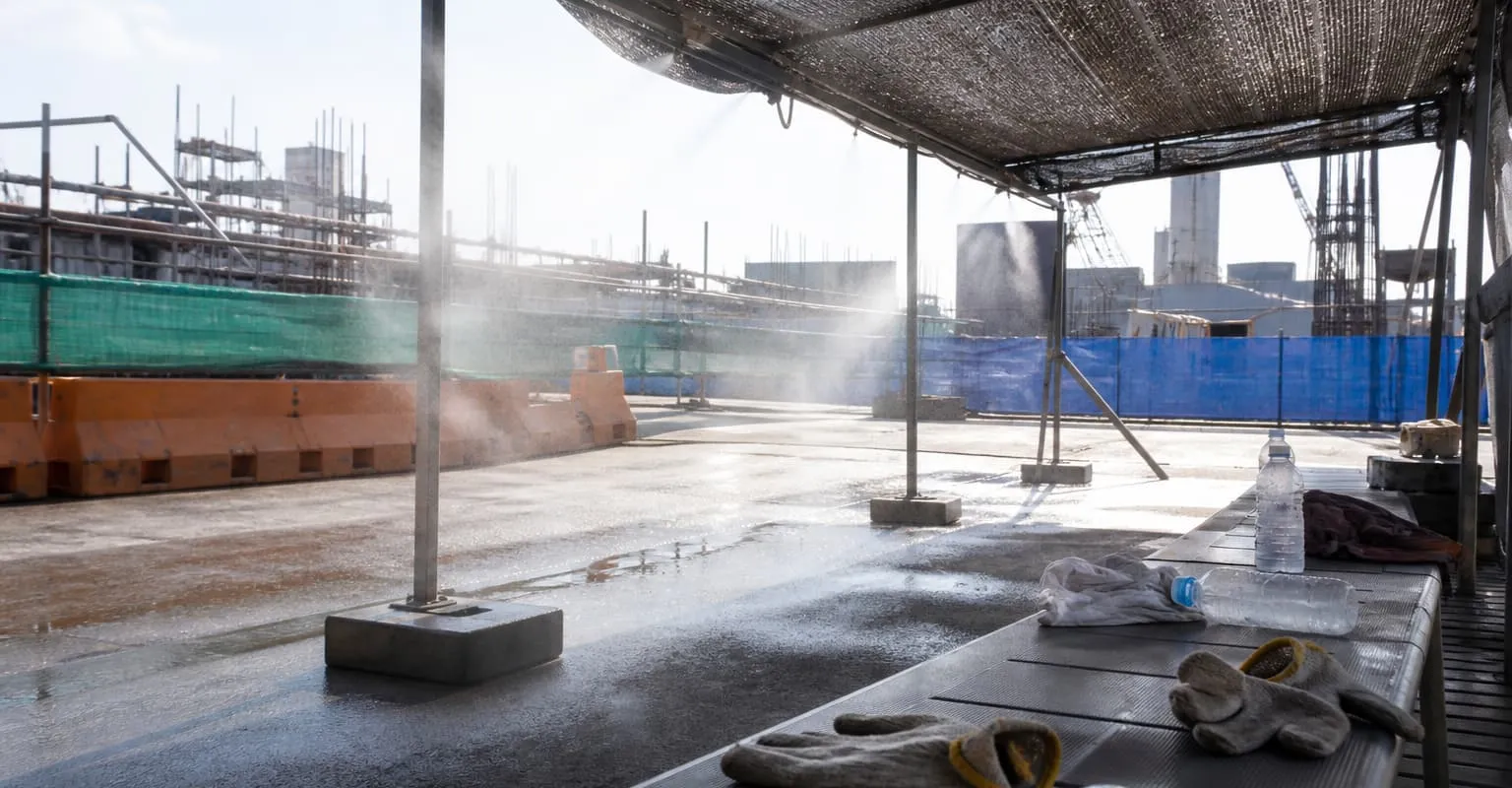
Large employers are treating heat as an operations system, not a memo. Herald reports Hyundai E&C rewarding breaks in designated rest zones; Lotte E&C running IoT perceived-temperature checks about every five minutes across roughly 80 sites; Daewoo E&C letting workers stop without penalty when they feel unwell. Hyundai E&C also issued emergency guides in 22 languages plus cooling vests and oral rehydration for vulnerable crews — a migrant-worker angle the wire heat stories often skip.
Heavy industry that cannot shut furnaces is rewriting the clock. Posco requires 15 minutes rest after 45 minutes work when perceived temperature exceeds 35 C, and 10 after 50 above 31 C. Hyundai Steel sets at least 10 minutes each hour above 31 C and 15 above 35 C. Hanwha Ocean doubled morning and afternoon breaks to 20 minutes through August and stretches lunch by 30 minutes above 28 C or by one hour above 31.5 C. HD Hyundai Heavy Industries moved lunch from 60 to 90 minutes through August and cites more than 270 cooling facilities. SK hynix and Coupang appear in the same cluster of longer rests and climate-control upgrades.
The legal stake is no longer soft guidance. Herald notes a district court last year convicted a construction company under the Serious Accidents Punishment Act over a subcontractor’s heatstroke death — described as the first SAPA conviction involving heatstroke. The protection gap is structural: of the 195 recognized accidents, more than half were at workplaces with fewer than 50 employees, and 42 at shops with fewer than five. Herald also flags Thai and Vietnamese seasonal farm deaths in Haenam and Goesan last month as the outdoor migrant blind spot.
Why it matters outside Korea
If you manage Korea construction, shipyard, fab, or logistics vendors — or you sit on an HQ compliance chain that touches Korean sites — this is not a weather color story. It is a rest-schedule, PPE, and Serious Accidents Punishment Act exposure story with named corporate playbooks you can audit against. Overseas buyers who treat Korean outdoor labor as an infinite summer capacity should expect slower takt times, longer lunches, and more stop-work rights written into site rules through the heat crest.
What travelers and expats should watch
- Do ask Korea vendors for written heat rest rules (minutes per hour, lunch extensions, stop-work without penalty) before August outdoor work orders firm up.
- Don’t assume SME subcontractors match Hyundai/Posco gear — Herald’s accident split says the small-site gap is where fatalities concentrate.
- Expect migrant and seasonal outdoor crews to stay the weakest link; if your project uses them, demand language-accessible emergency cards and cooling kits, not only Korean-language toolbox talks.
- Re-check insurance and Serious Accidents Punishment Act clauses if you are a foreign principal on a Korea construction package after the heatstroke conviction precedent.
Context
Read this as employer systems under heat liability, not as proof that “Korea finally cares about workers.” The same reporting that catalogs mega-yard IoT cooling also shows most recognized heat accidents still land in shops under 50 people. Korelay’s frame: the famous-brief keep is the split — big Korea can buy rest; small outdoor Korea still dies in the field.
Korelay take
Read this as employer systems under heat liability, not as proof that “Korea finally cares about workers.” The same reporting that catalogs mega-yard IoT cooling also shows most recognized heat accidents still land in shops under 50 people. Korelay’s frame: the famous-brief keep is the split — big Korea can buy rest; small outdoor Korea still dies in the field.
Editor note: Desk reporting supplies the timeline; Korelay adds the overseas behavior layer (what to change, what not to assume, what to re-check). If you only need the wire facts, open the primary link in Source.
Source
Primary: The Korea Herald — Longer lunches, more breaks as Korea’s workplaces battle heat. Paraphrase only; numbers and company measures as reported there.