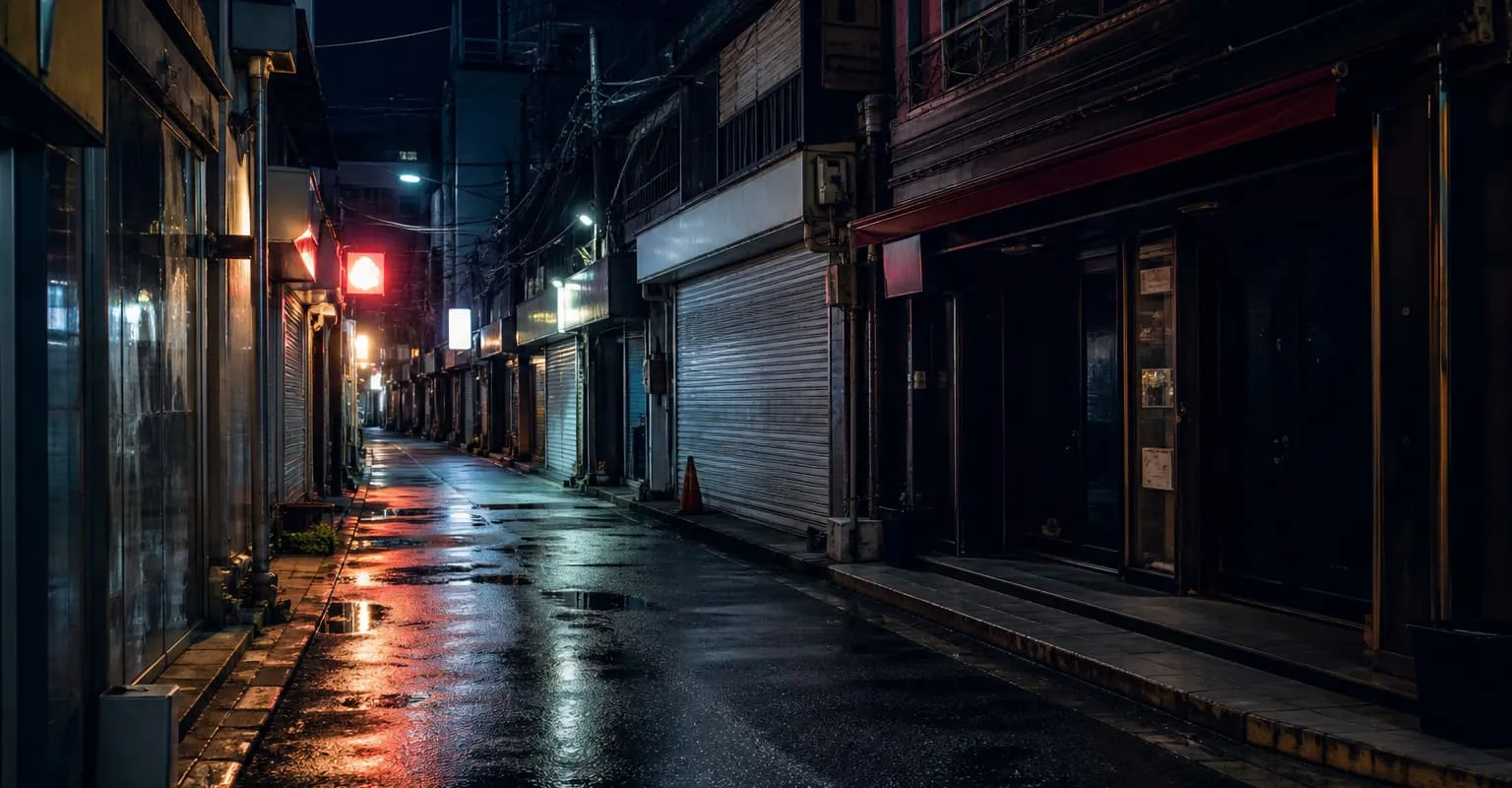
Korea society brief: half of neighborhood bars gone as Gen Z steps back
NTS data: hof pubs and small taverns fell 46.1% since 2018 — what drinkers, HR hosts, and nightlife visitors should change.
Source: Seoul Economic Daily
What happened
According to Seoul Economic Daily, citing National Tax Service data on 100 major consumer business categories, the combined count of hof pubs and small taverns in Korea fell 46.1%, from 52,302 in 2018 to 28,178 this year — a drop of 24,124 outlets. Small taverns alone fell 50.8%, from 16,226 in March 2018 to 7,985; hof pubs fell 44.0%, from 36,076 to 20,193.
The decline continued over the past year. As of end-June, hof pubs were down 1,975 (9.1%) year on year to 19,730; small taverns down 795 (9.2%) to 7,853. Domestic liquor shipments fell 5.2% last year by volume and 3.6% by value, per the 2026 National Tax Statistical Yearbook cited in the piece.
The breakdown
Beer earnings are the sharp pain point in the desk’s corporate read. HiteJinro’s Q2 beer revenue fell 15.3% to 176.3 billion won, with beer operating profit down 29.2% to 8.3 billion won, while soju revenue edged up 0.1% and soju operating profit rose 18.4%. Lotte Chilsung’s Q2 liquor revenue rose 3.2% to 195.1 billion won, with soju up 1.9% and beer down about 30% amid portfolio overhaul and draft-beer exit.
On the demand side, a Catch / Jinhaksa survey of 1,347 Gen Z job seekers found 42% normally do not drink at all; among drinkers, 63% stop at a mild buzz and only 8% drink to full intoxication. 59% of drinkers said occasions are fewer than before. Top reason for drinking less or not at all: 53% simply do not like alcohol — ahead of health/weight (19%), hangover/next-day condition (16%), and cost (6%). 64% still say company gatherings are necessary, but prefer brief one-hour (29%) or voluntary-attendance (28%) formats; 41% named excessive pressure to drink as the worst gathering style.
Why it matters outside Korea
If you host Korea-side clients, manage local teams, or plan a “classic hof crawl” trip, the map and the manners both moved. Neighborhood drinking density is roughly half what it was eight years ago, and Gen Z survey answers reject forced rounds even when they still want some gathering. Overseas visitors who treat pocha density as a timeless Seoul constant will find thinner streets and thinner tolerance for pour pressure.
What travelers and expats should watch
- Do build nightlife plans around fewer neighborhood spots and more intentional venues — the tax data shows category shrinkage, not a one-week blip.
- Don’t schedule mandatory heavy-drink bonding for Gen Z-heavy teams; the survey’s worst-format vote is excessive drink pressure.
- Expect beer-led venue economics to stay soft even where soju brands hold revenue — the corporate split in the piece is beer pain, soju resilience.
- Offer short, voluntary gatherings (coffee, hobby, lunch) when you need team mix without the old round-robin soju script.
Context
Read this as a density-and-manners update, not a moral panic about Korea “going dry.” Bars halved on the tax register; Gen Z’s top reason is taste, not austerity theater. Plan hospitality around consent and shorter formats — not around 2018 corner-hof nostalgia.
Source
Seoul Economic Daily: Half of Korea’s neighborhood bars vanish as Gen Z turns from alcohol — paraphrased for briefing; AI-translated from Korean original reporting by Kim Yeo-jin. Soft briefing only — not medical or HR legal advice.