Korea society brief: record drug seizures in H1 2026
Korea Customs logged a first-half record for drugs meant for domestic use — and why airport and parcel checks matter outside Korea.
Source: Yonhap News Agency
What happened
According to Korea Customs Service figures carried by Yonhap, South Korea recorded a first-half high for illicit drugs intended for domestic distribution. From January to June 2026, officers logged 767 cases totaling 1,007 kilograms — about 33.58 million doses. The agency tied the result to tightened inspections.
Commissioner Lee Jong-wook said customs will keep layered surveillance across smuggling routes, warning that attempts should expect to be detected at the border.
The breakdown
By weight, cannabis led at 654 kg, followed by methamphetamine (230 kg), ketamine (58 kg), and cocaine (2 kg). Thailand remained the largest origin for attempted smuggling, ahead of Britain, Canada, and Vietnam.
Customs also logged 509 cases involving 175 kg carried by individual travelers, with tighter watches on international parcels. Of 717 offenders caught in H1, people aged 39 and younger were 59.3%, including 14 teenagers.
Why it matters outside Korea
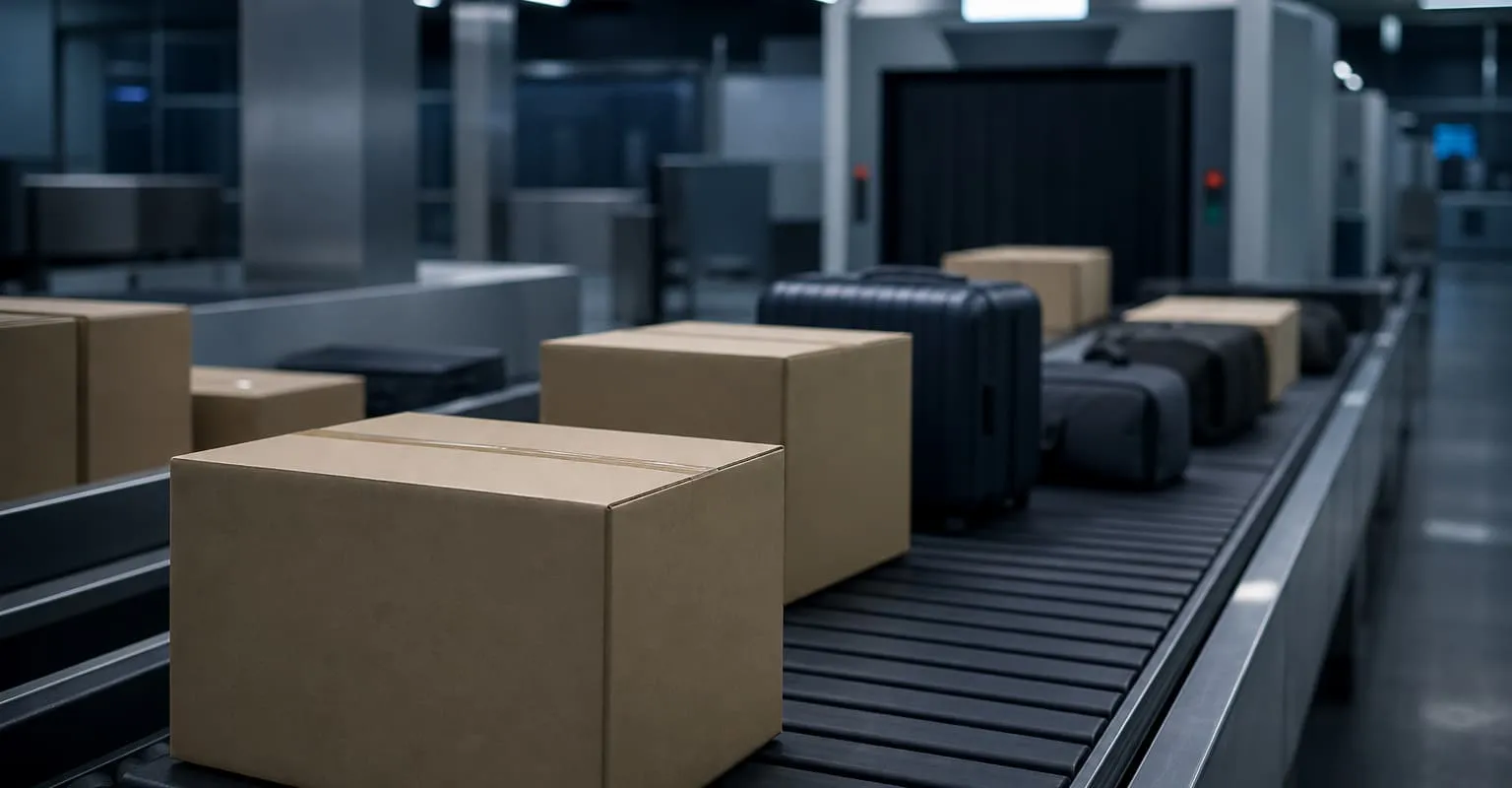
The operational signal is for people who fly into Korea or mail packages here. Traveler carriage and parcels are explicitly in the data — 509 cases / 175 kg with individual travelers — so the crackdown surface is airports and international mail, not only container freight.
Korea’s drug rules are also far stricter than in many home countries. Cannabis that is casual or quasi-legal elsewhere remains a hard red line here. Read the “record H1” headline as a behavior update, not a vibe piece about a sudden national crisis.
What travelers and expats should watch
- Airports and ports: expect more attention on personal luggage and traveler flows.
- International parcels: tighter screening can mean opens and delays; never ship anything you would not want inspected.
- Origin patterns: Thailand topping the list is a customs pattern, not a travel ban — but it explains heavier inspection logic on some corridors.
- Age is not a free pass: with 59.3% of detected offenders 39 and under, younger travelers should assume less benefit of the doubt, not more.
Context
English coverage often stops at the record number. Korelay’s framing: ask which lane produced it. Here the live lanes are traveler carriage and parcels, the weight leader is cannabis, and the offender mix skews young. That is enough to update trip and shipping behavior without inventing an emergency.
If you are connecting through Incheon or shipping a care package, treat this brief as a compliance reminder: Korea’s enforcement surface is active at the passenger and parcel layer, and “I didn’t know” is a weak defense in a stricter legal environment.
Korelay take
English coverage often stops at the record number. Korelay’s framing: ask which lane produced it. Here the live lanes are traveler carriage and parcels, the weight leader is cannabis, and the offender mix skews young. That is enough to update trip and shipping behavior without inventing an emergency.
If you are connecting through Incheon or shipping a care package, treat this brief as a compliance reminder: Korea’s enforcement surface is active at the passenger and parcel layer, and “I didn’t know” is a weak defense in a stricter legal environment.
Editor note: Desk reporting supplies the timeline; Korelay adds the overseas behavior layer (what to change, what not to assume, what to re-check). If you only need the wire facts, open the primary link in Source.
Source
Yonhap: Customs agency detects record volume of drug smuggling in H1 — paraphrased for briefing; read the original for full detail.