Korea food-travel brief: heat empties lunch tables — delivery picks up the tab
Yonhap’s Seoul vitality indexes show Yeouido, Gangnam, Gwanghwamun thinning in the heat while Baemin orders rise about 6% — what that means for dining plans.
Source: Yonhap
What happened
According to Yonhap, the ongoing heat wave is pushing people off restaurant, cafe, and bar floors — office workers lean on delivery for group lunches, and many skip after-work drinks to go straight home. Friday’s piece uses Seoul real-time urban “commercial district vitality” data plus a Yeouido meat-restaurant owner’s sales collapse and Baemin order growth to show the shift.
This is a hospitality demand story with district numbers, not another temperature-record wire.
The breakdown
Yonhap cites evening vitality drops versus the same time last week: Yeouido down 5.8% between 6–7 p.m. Thursday; Jonggak commercial activity down 28.9%; Gangnam Station down 12%. At peak heat around 3 p.m., the same index fell 29.7% in Yeouido, 71.1% at Gangnam Station, 65.4% at Gwanghwamun Square, and 19.1% at Jonggak. Lunch also thinned: Gwanghwamun vitality dropped 42.9% between noon and 1 p.m. Wednesday when temperatures hit 36 C.
A Yeouido meat-restaurant owner says the shop needs about 3 million won (about $2,113) daily sales to stay afloat but lately struggles to reach 1 million won; evening groups fell from roughly 10 to about three over two weeks. A securities-firm employee describes office delivery lunches and colleagues losing evening energy. Against that, Baemin orders rose about 6% from July 29 through Wednesday (heat-wave warning period across Seoul) versus the same span of the prior month.
Why it matters outside Korea
If you are flying in for client dinners in Gangnam or Yeouido, or you run a Korea F&B concept from overseas, this is a channel mix week: fewer walk-ins, more delivery, weaker evening 회식. Travel itineraries that assume “just grab a busy dinner street” in peak heat should build indoor reservations, earlier seatings, or hotel/office catering. Overseas brand managers watching Korea same-store comps should separate heat-driven delivery migration from true demand loss.
What travelers and expats should watch
- Do book indoor, air-conditioned tables early for Gangnam / Gwanghwamun / Yeouido dinners while vitality indexes stay soft — walk-up density is the first thing heat kills.
- Don’t plan a long outdoor cafe crawl at 3 p.m.; Yonhap’s peak-hour collapses are the operational map.
- Expect more colleagues to refuse after-work drinks and to push lunch onto delivery apps — bring a Baemin/Coupang Eats fallback if hosting visitors.
- If you own or advise a Seoul shop, treat the Yeouido owner’s 3 million → 1 million won daily sales gap as a stress test for fixed costs through the heat crest, not a vibe check.
Context
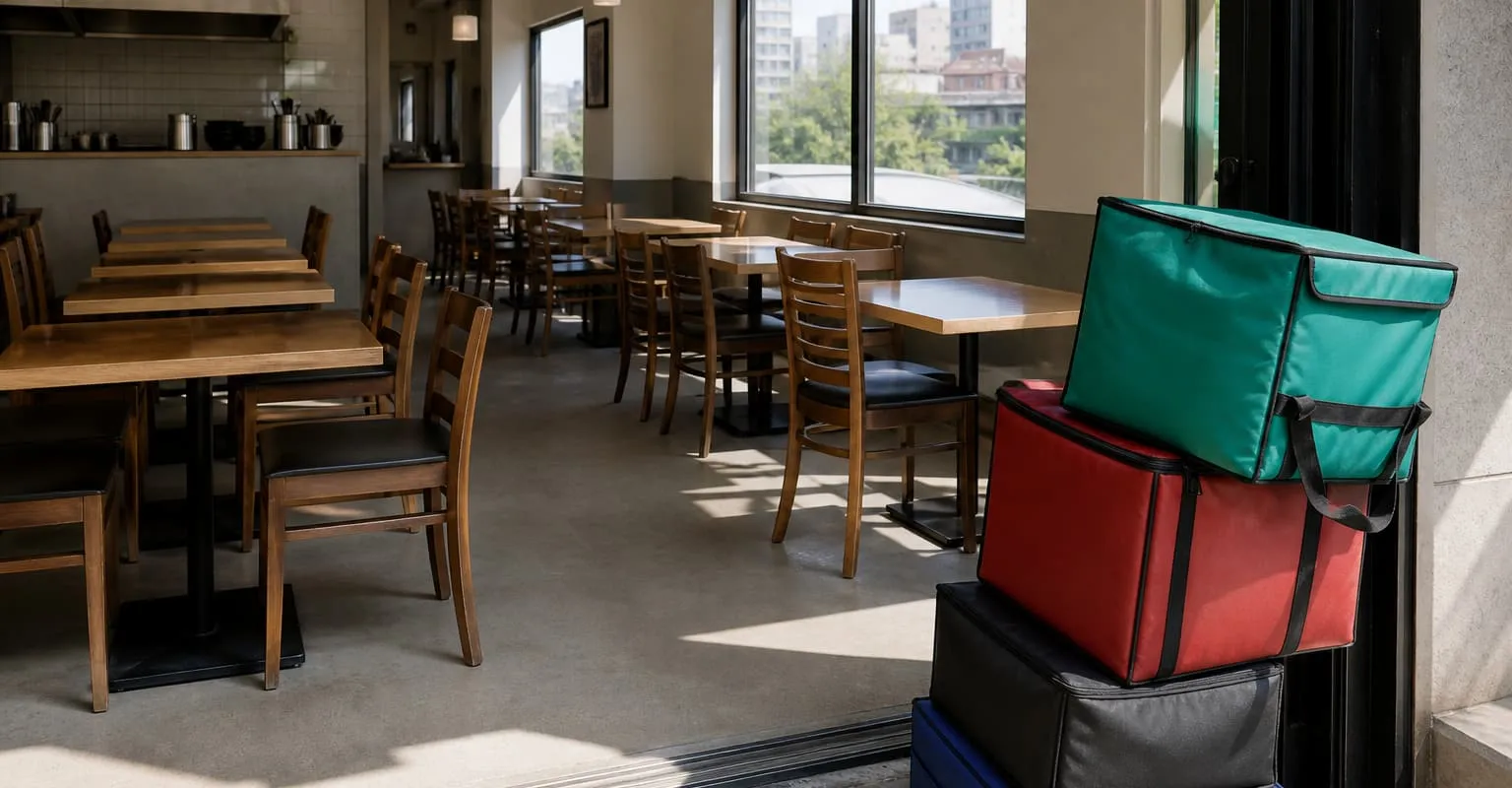
Read this as heat reallocating meals from chairs to bags, not as “Seoul dining is dead.” Korelay’s frame: the keep is the split screen — empty commercial indexes beside a ~6% Baemin bump — so travelers change seating and timing, not “cancel Korea.”
Korelay take
Read this as heat reallocating meals from chairs to bags, not as “Seoul dining is dead.” Korelay’s frame: the keep is the split screen — empty commercial indexes beside a ~6% Baemin bump — so travelers change seating and timing, not “cancel Korea.”
Editor note: Desk reporting supplies the timeline; Korelay adds the overseas behavior layer (what to change, what not to assume, what to re-check). If you only need the wire facts, open the primary link in Source.
Source
Primary: Yonhap — Sweltering heat takes toll on restaurants, cafes and bars. Paraphrase only; vitality percentages, Baemin figure, and quoted sales as reported there.