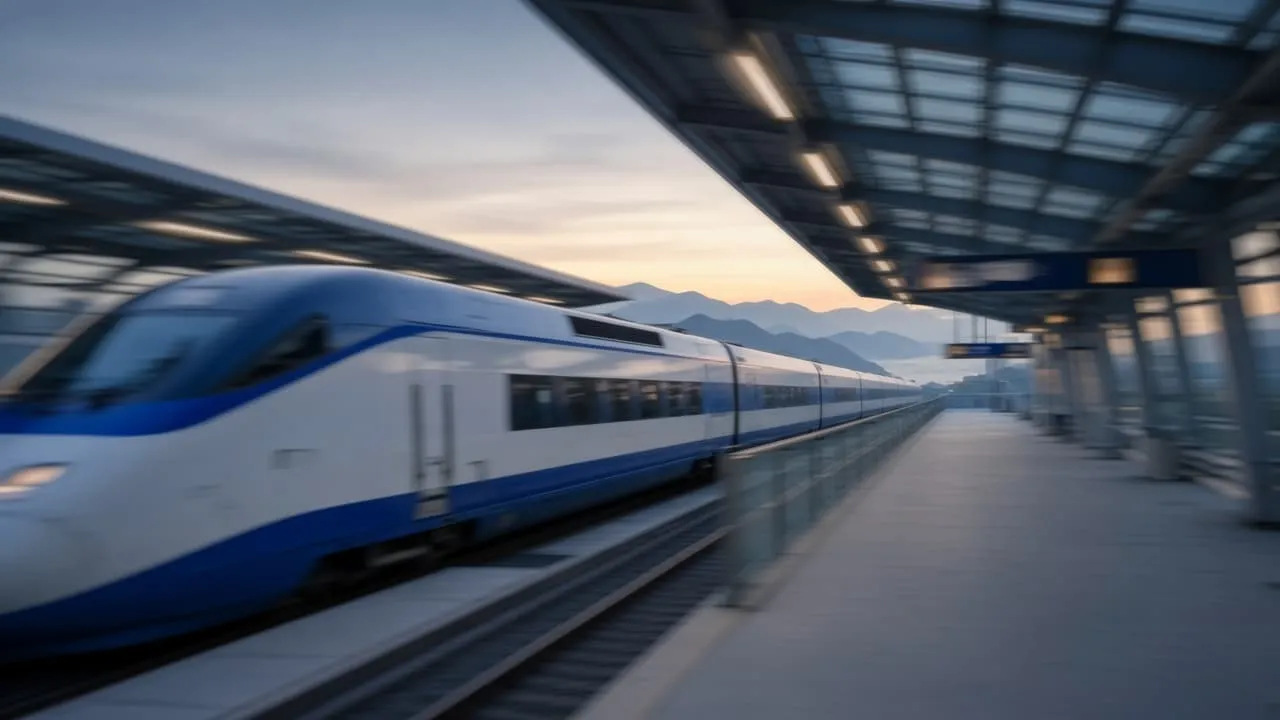
Korea food-travel brief: Chinese 'special-forces' tourists pack Busan–Seoul into two hours of sleep
Dong-A Ilbo reports young Chinese travelers are copying ultra-compressed 'special-forces' itineraries in Korea — dawn departures, 500-yuan guesthouses, and same-day Seoul–Busan KTX round trips for 658.51 yuan.
Source: Dong-A Ilbo · 여행
What happened
According to Dong-A Ilbo (Sept. 20), citing Newsis, young Chinese tourists are bringing a domestic trend called “special-forces travel” (特种兵式旅游) to Korea. The style cuts sleep and lodging time so travelers can hit multiple cities on a tight budget. Posts on Chinese social platform Weibo have gone viral for describing Busan–Seoul hops that sound more like endurance runs than vacations. One writer said they left at dawn and slept only two hours, calling the Busan-to-Seoul leg “brutal.” Others show same-day round trips between the two cities or Seoul-to-Busan-to-Seoul schedules completed in a single night.
The breakdown
“Special-forces travel” means spending less on beds and rest, using night moves and early starts to stack destinations into a short window. In the Korea examples surfacing online, Busan keeps appearing as a core stop alongside Seoul.
Concrete numbers from the posts Dong-A Ilbo highlights:
- Guesthouse: about 500 yuan per night — roughly 100,000 won at the cited conversion.
- Seoul–Busan rail: about 2 hours 10 minutes one way.
- Round-trip ticket: 658.51 yuan per person — about 130,000 won.
Travelers also share Korean restaurant meals and budget lodging as proof of the itinerary. The pattern is not a slow coastal stay; it is compressing two major metros into one calendar day, sometimes with a return leg the same evening. Dong-A Ilbo frames the buzz as part of a wider Gen Z habit in China: split weekends and short holidays turned into low-cost, high-intensity trips. Korea is now showing up in that feed, not only as a Seoul stopover.
Why it matters outside Korea
For anyone tracking inbound tourism, these posts signal demand that is price-sensitive but city-hopping, not resort-led. Hostels, late-night KTX capacity, and quick-service dining along rail corridors may see spikes even when hotel averages look flat. For Busan businesses, the city is being marketed by travelers as a same-day add-on from Seoul, which can lift foot traffic at landmarks and food streets without long stays. For competing destinations in Northeast Asia, Korea’s 2h10m intercity link is part of the product — fast enough to make a “special-forces” loop feel feasible on social media.
What travelers and expats should watch
- Peak-hour KTX and station queues: Same-day Seoul–Busan–Seoul plans concentrate demand on morning and evening departures; if you live near Seoul Station or Busan Station, expect heavier weekend crowds when Chinese holiday windows align with Korean short breaks.
- Budget guesthouse turnover: Sub-100,000-won dorm-style stays may see faster check-in/check-out churn and late arrivals; noise and shared-space etiquette become friction points for longer-stay guests in the same buildings.
- Restaurant rush windows: Viral posts feature Korean restaurant stops between trains — popular lunch and dinner slots near major stations can shorten service quality or lengthen waits for everyone, not just the poster.
- Social-media distortion: A 658.51-yuan round trip plus a 500-yuan bed reads cheap online, but it excludes airport transfers, visa time, baggage, and the physical cost of two hours of sleep; do not treat the headline math as a template for family or accessibility needs.
Context
Read this as Chinese Gen Z exporting a domestic ultra-budget travel meme into Korea’s Seoul–Busan corridor, not as proof that average Chinese visitors are abandoning multi-day trips. Dong-A Ilbo documents viral Weibo itineraries and hard numbers from individual posters — 2h10m rides, 658.51-yuan round trips, 500-yuan guesthouses — not national arrival statistics. The story is about how Korea fits into a high-intensity, low-sleep travel fad, with Busan positioned as a compressible stop rather than a standalone beach holiday.
Source
Dong-A Ilbo: “2시간 잤어요”…中관광객 ‘특전사식 부산여행’ 인기 — Korean original; paraphrased for briefing; figures attributed to the Sept. 20 report.