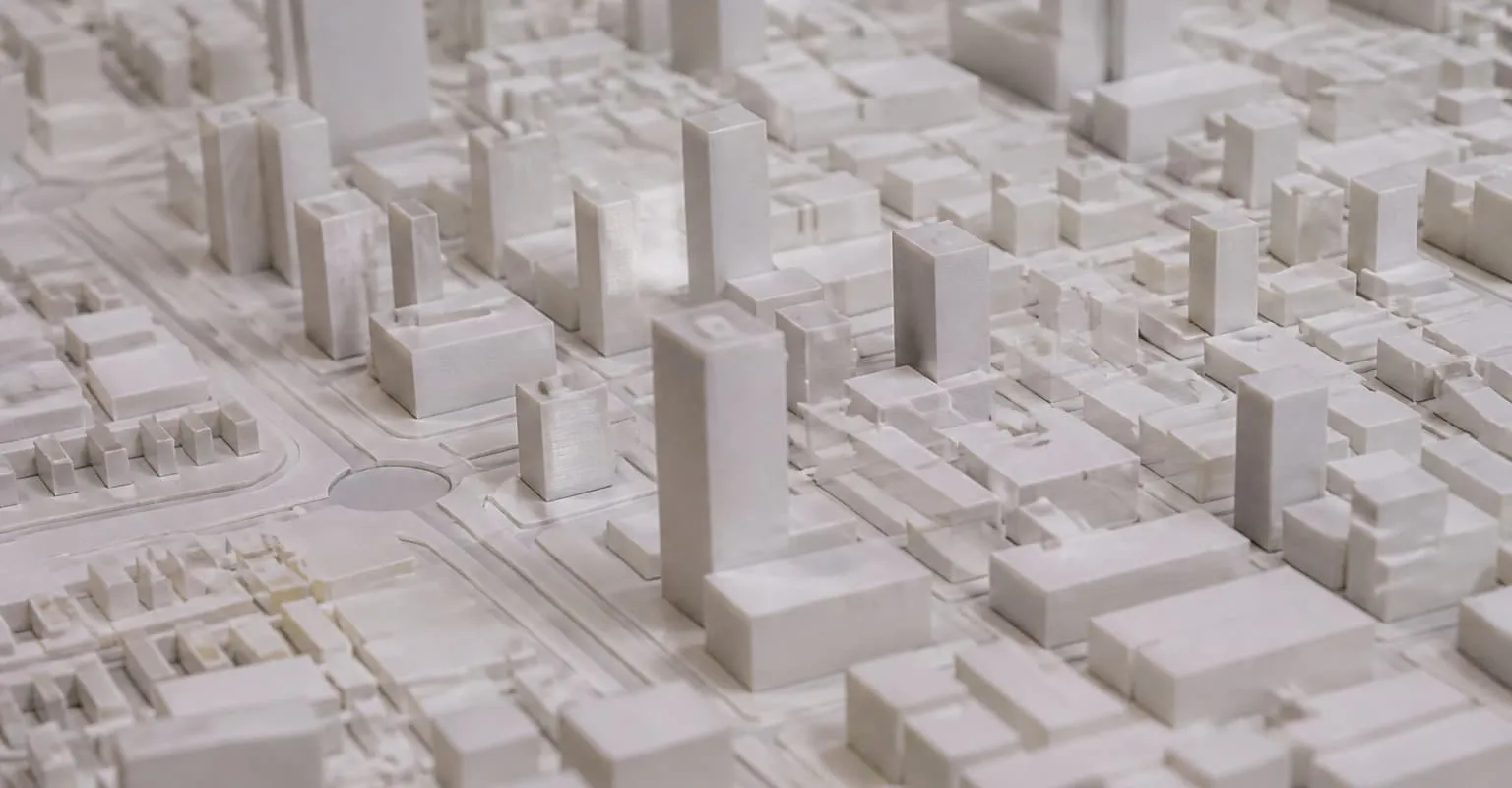
Korea culture brief: Seoul Museum of History restages the 1966 master plan
Sixty years on, the museum reopens the capital’s first citywide blueprint — maps, blacked-out lines, and an AI archive film through Nov. 8.
Source: The Korea Times
What happened
According to The Korea Times, the Seoul Museum of History opened a special showcase on Friday (Aug. 14) revisiting the 1966 public launch of Seoul’s inaugural urban master plan — Korea’s first comprehensive long-term development blueprint for the entire city. The exhibition runs through Nov. 8 and marks the plan’s 60th anniversary.
It restages an earlier public show held in August–September 1966 at what is now Seoul Plaza, where roughly 800,000 residents viewed drawings and models of the city’s future.
The breakdown
In 1966, Seoul’s population had more than doubled in just over a decade, to about 3.79 million from 1.56 million in 1955, while administrative area expanded from 268 square kilometers to over 600. Jobs and public facilities remained center-heavy, prompting the first long-term plan for the whole urban area with a target population of 5 million by 1985 — a mark Seoul actually passed by 1970, fifteen years early, the museum said. Today’s population is nearly 9.4 million, with administrative area still around 600–605 square kilometers.
The show traces how that blueprint shaped Gangnam, Yeouido, roads, and the subway system. Hand-drawn planning documents and once-classified maps include early proposals — and a sentence blacked out in a 1966 planning pamphlet — calling for spreading administrative, economic, and cultural functions across multiple districts rather than one center, a vision the museum links to Seoul’s later multihub form. A third-floor video installation by the Seoul AI Hub Foundation and MIT’s Senseable City Lab uses AI on Seoul History Archive photos to visualize how space use changed; lab director Carlo Ratti curated the 2025 Venice Architecture Biennale. Related events include an Aug. 14 Seoul Institute panel on urban-plan monitoring and an Oct. 7 Korea Planners Association symposium.
Why it matters outside Korea
If you live in Seoul, brief visiting urbanists, or try to explain why Gangnam and Yeouido feel “planned” rather than organic to overseas friends, this is the origin document in museum form. Tourists who only shoot palace eaves miss the policy layer that still structures commute math.
What travelers and expats should watch
- Do pair a Museum of History visit with a walk across Seoul Plaza — the 1966 show’s original crowd site — to feel the public-launch story, not only vitrine maps.
- Don’t treat today’s multihub Seoul as accidental; the exhibit’s blacked-out pamphlet line is the museum’s cue that decentralization was argued early.
- Expect the AI archive film upstairs to be a separate stop — budget time beyond the planning documents alone.
- Note the Aug. 14 monitoring panel and Oct. 7 symposium if you are in planning / policy work, not only casual tourism.
Context
Read this as origin-story urban literacy for people who use Seoul’s hubs, not as a nostalgia fair for old maps. The wire can stop at “anniversary exhibition”; Korelay’s frame is that your Gangnam meeting and Yeouido transfer still sit inside a 1966 argument about not stacking everything in one center.
Source
The Korea Times: Seoul museum revives 1966 exhibition that unveiled capital’s master development plan — paraphrased for briefing; page notes generative AI assistance edited by The Korea Times. Exhibition opens Friday Aug. 14 per the desk’s schedule.