Korea culture brief: gat craft stays fragile after KPop Demon Hunters buzz
Netflix made the Joseon hat viral — Yonhap’s interview with a master shows why fame still does not pay the bamboo work.
Source: Yonhap News Agency
What happened
In a Yonhap interview from Busan’s World Heritage Committee side events, 83-year-old gat (갓, the translucent black Joseon-era hat) master Park Chang-yeong demonstrated the craft at the national “K-Heritage House” pavilion — even as he described a trade that is culturally hot and economically thin.
The recent surge in attention, Park said, followed the hat’s appearance on Saja Boys, the fictional K-pop group in Netflix’s global hit animation KPop Demon Hunters. Popularity is “at its peak,” he told Yonhap — but small decorative orders do not become stable income because the work is fully handmade, while machine-made versions undercut the price.
The breakdown
Yonhap’s reporting is unusually concrete about labor and scarcity:
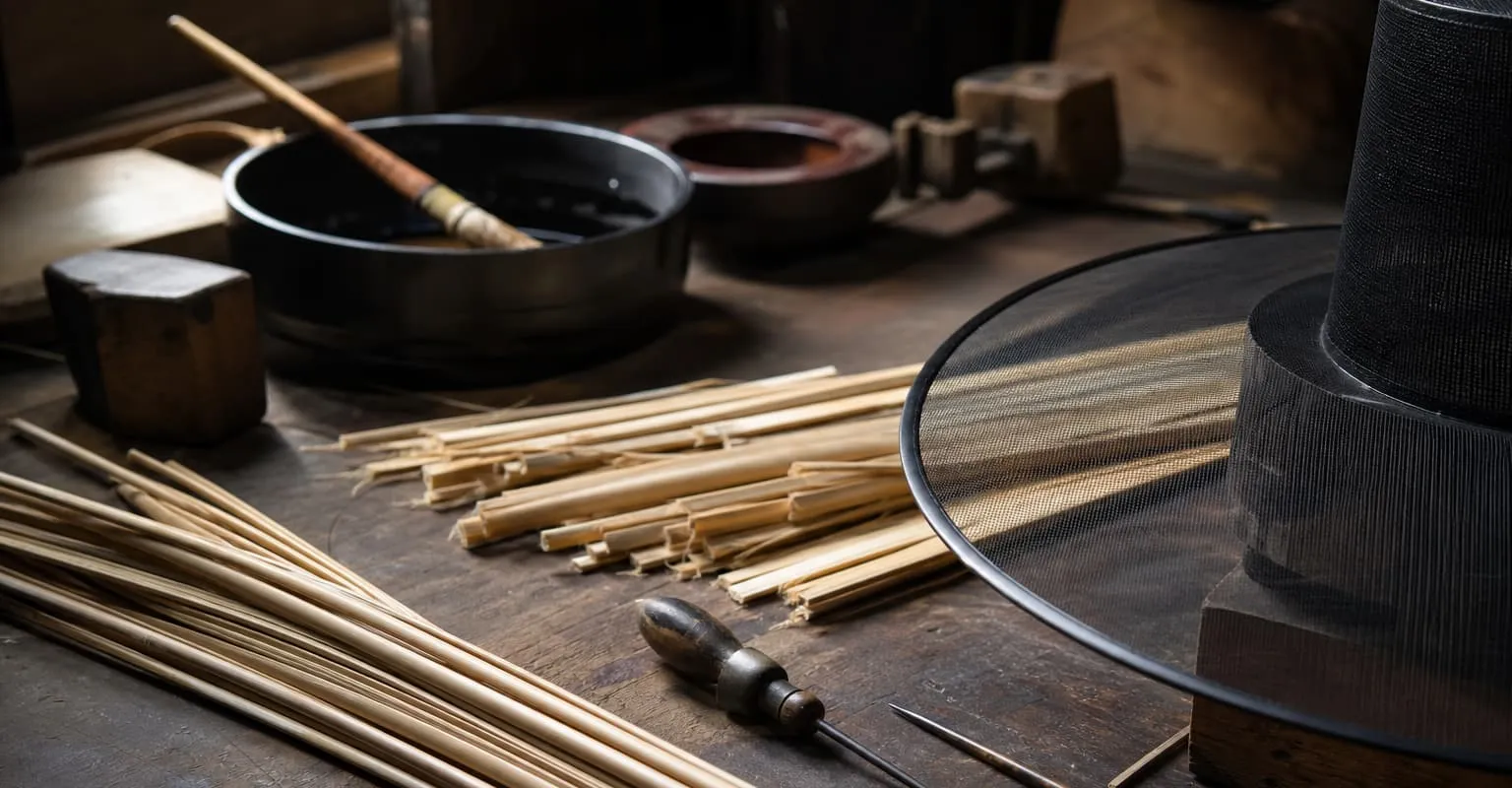
- A single bamboo hat can take about a week; elaborate 17th–18th century-style pieces can take up to a year.
- Gat-making historically split roles (brim / crown / final assembly). Park is an ipjajang (입자장, final assembly specialist), designated a National Intangible Cultural Heritage skill holder in 2000.
- Only four such gat-making masters remain in the country; just two, including Park, complete the entire hat.
- Apprentices come and go; physical endurance and uncertain pay break the lineage. His son helps part-time while keeping another job.
- Demand today is sporadic — traditional musicians, state commissions, period dramas — not a mass consumer market.
Why it matters outside Korea
If you streamed KPop Demon Hunters and suddenly “recognized” the hat, you met the culture object — not the production system. Global K-content can put a heritage form on a billion screens and still leave four old specialists arguing with machine pricing. For overseas fans and tourists, the useful correction is simple: viral visibility ≠ craft viability.
That also changes how to spend money. Buying a plastic souvenir “gat” and watching a master shave bamboo into paper-thin strips are not the same cultural act — and only one of them funds the lineage Park says he wants to keep alive.
What travelers and expats should watch
- At heritage demos / UNESCO-week pavilions: watch the process (bamboo shaving, ironing strands, lacquer) — that is the scarce part.
- If you want to support the craft: look for recognized makers and full handmade commissions, not the cheapest costume prop.
- Language tip: say gat first; use Hangul as a label you will see in museums, not as a fluency test.
- Content literacy: when a Netflix show resurrects a Joseon prop, ask who still knows how to make it.
Context
Korelay’s take: K-culture exports are great at creating recognition; they are uneven at creating livelihoods for living heritage. Park’s line of the week is the whole story — peak popularity, too busy for meaningless small orders, unable to compete with machines, and running out of successors. Read the Demon Hunters buzz as a spotlight, not a rescue.
Korelay take
Korelay’s take: K-culture exports are great at creating recognition; they are uneven at creating livelihoods for living heritage. Park’s line of the week is the whole story — peak popularity, too busy for meaningless small orders, unable to compete with machines, and running out of successors. Read the Demon Hunters buzz as a spotlight, not a rescue.
Editor note: Desk reporting supplies the timeline; Korelay adds the overseas behavior layer (what to change, what not to assume, what to re-check). If you only need the wire facts, open the primary link in Source.
Source
Yonhap: ‘Gat’-making craft teeters on brink despite ‘KPop Demon Hunters’ fame — paraphrased for briefing; read the original for full detail.