Korea culture brief: Elisabeth musical returns gloomier at Blue Square, with Park Eun-tae and Seo Kyung-soo drawing cheers
Dong-A Ilbo reviews the sixth Korean season of the musical Elisabeth at Seoul's Blue Square — a darker staging through November 15, 2026, with black-feather Death, childhood video, and high notes from Park Eun-tae and Seo Kyung-soo.
Source: Dong-A Ilbo · 문화연예
What happened
According to Dong-A Ilbo, the musical Elisabeth (엘리자벳) — based on the life of Empress Elisabeth of the Austria-Hungary empire — opened its sixth Korean season at Blue Square (블루스퀘어) in Seoul’s Yongsan district. At a performance on September 4, assassin Lucheni, played by Park Eun-tae (박은태), belted “Kitsch” — a song that mocks the blind worship and commodification surrounding the empress — and the audience responded with sustained applause.
Park has played Lucheni since Korea’s 2012 premiere; fans call him “Eunkeni.” Dong-A notes a ceiling-piercing high note during the number. The paper’s subhead also highlights strong vocals from Seo Kyung-soo (서경수), who plays Death (Tod).
The breakdown
Elisabeth premiered in Vienna in 1992 and has since been staged in 14 countries in 10 languages, Dong-A reports. Korea first mounted it in 2012; this season marks the sixth local run.
Dong-A says the show’s long appeal rests on two male figures who orbit the empress:
- Lucheni opens as narrator, ridiculing the empress’s glossy packaging while drawing the audience into the plot; he reveals the story’s inner workings, steps inside the drama, and assassinates her at the end, linking opening and closing.
- Death (Tod) appears whenever Elisabeth feels lonely or unsteady, tempting her with the promise that only he can grant freedom. Seo sings “The Last Dance” (마지막 춤); Dong-A praises his tall frame and long-limbed movement.
Lee Ji-hye (이지혜) plays Elisabeth with a clear voice suited to her freewheeling youth; “I Belong to Me” (나는 나만의 것) adds firm power against imperial control.
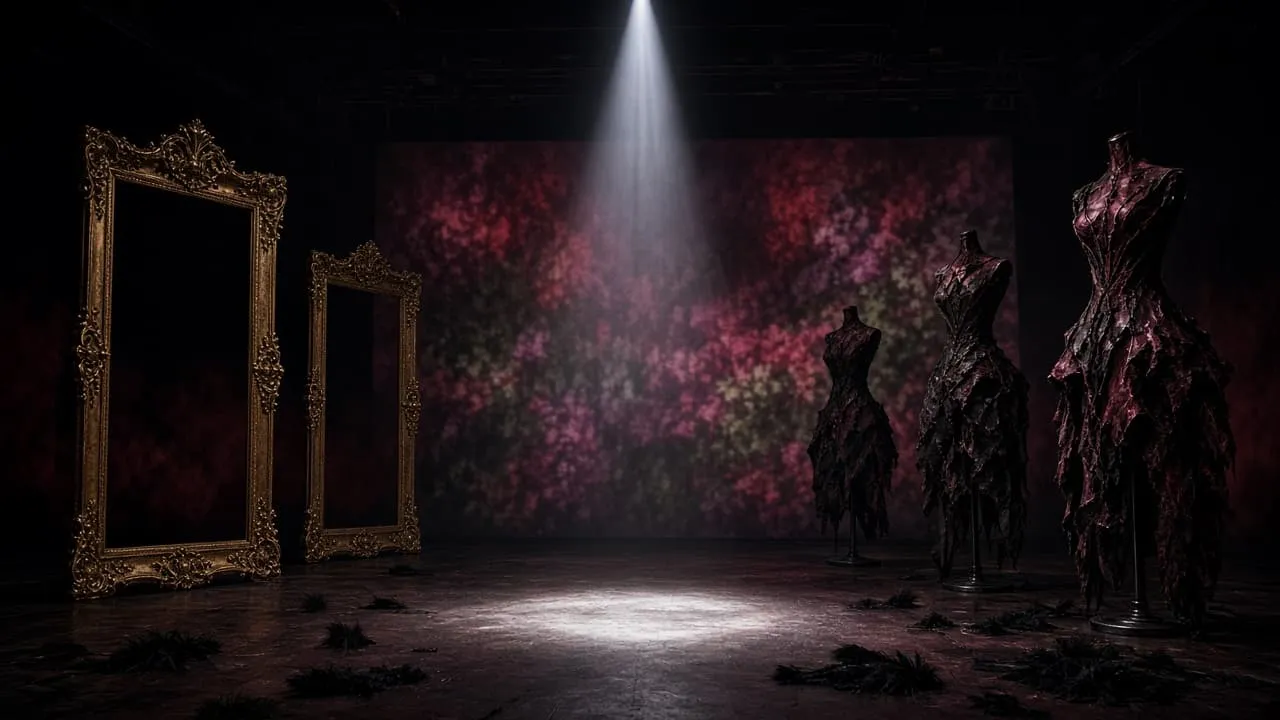
This season returns four years after the 2022 fifth run and pushes a darker mood than before. Death’s costume adds black feather trim; the set includes frames modeled on Elisabeth’s headpieces and dress-shaped decorations, plus video of her childhood and palace garden to thicken the narrative. The run continues through November 15. Dong-A does not report ticket prices or English supertitle availability.
Why it matters outside Korea
Elisabeth is a decades-old European empress musical Korea remounts on a multi-year cycle — not a Disney license or a K-pop concert export. Lucheni’s cynicism and Death’s seduction ask whether fame and royal duty can coexist with personal freedom, themes that travel even without Habsburg history. Park’s long Lucheni run and a four-year gap since the last season signal a mature local fan base, not a one-off import.
What travelers and expats should watch
- Venue and window: Blue Square is in Yongsan, west of Gangnam’s megahalls. In Seoul before November 15, 2026? Book via Korean ticketing channels; Dong-A names Park Eun-tae, Seo Kyung-soo, and Lee Ji-hye but not full alternates.
- Language and tone: Assume Korean delivery unless supertitles are announced. This season is gloomier — black-feather Death, darker sets, childhood and palace-garden video — not a light costume revue.
- Know the frame: “Kitsch” satirizes idol-style worship of a royal icon — useful if you lack Habsburg background; narrator and Death carry the story, not court pageantry alone.
Context
Read this as Korea’s sixth return to a European empress tragedy with a sharper, gloomier production design, not as a new original Korean musical or a celebrity fan-meet. Dong-A’s headline sells an even darker mood; the reporting detail is continuity — Park’s Lucheni, Seo’s Death, richer visuals, and a four-year gap since the last season — useful for expats choosing one serious theater night in Yongsan.
Source
Dong-A Ilbo · 문화연예: “음산하게 더 음산하게 돌아온 뮤지컬 ‘엘리자벳’” — Korean original; Dong-A culture review/analysis; cast, venue, season history, staging notes, and run end date from Dong-A; paraphrased for briefing; read the original for photos and full Korean text.