Korea culture brief: Darangshi Cave and Manseojeong move toward national heritage
KBS: Korea Heritage Service will register Jeju's Darangshi Cave and Chilgok's Manseojeong — what Liberation-week visitors should actually watch.
Source: KBS World
What happened
According to KBS World, the Korea Heritage Service said Wednesday it will designate Darangshi Cave on Jeju Island and Manseojeong — the former home of independence activist Jang Seok-yeong in Chilgok, North Gyeongsang Province — as National Registered Cultural Heritage sites. The designations are not final yet: both sites enter a 30-day public notice period, then face final review by the Cultural Heritage Committee.
The breakdown
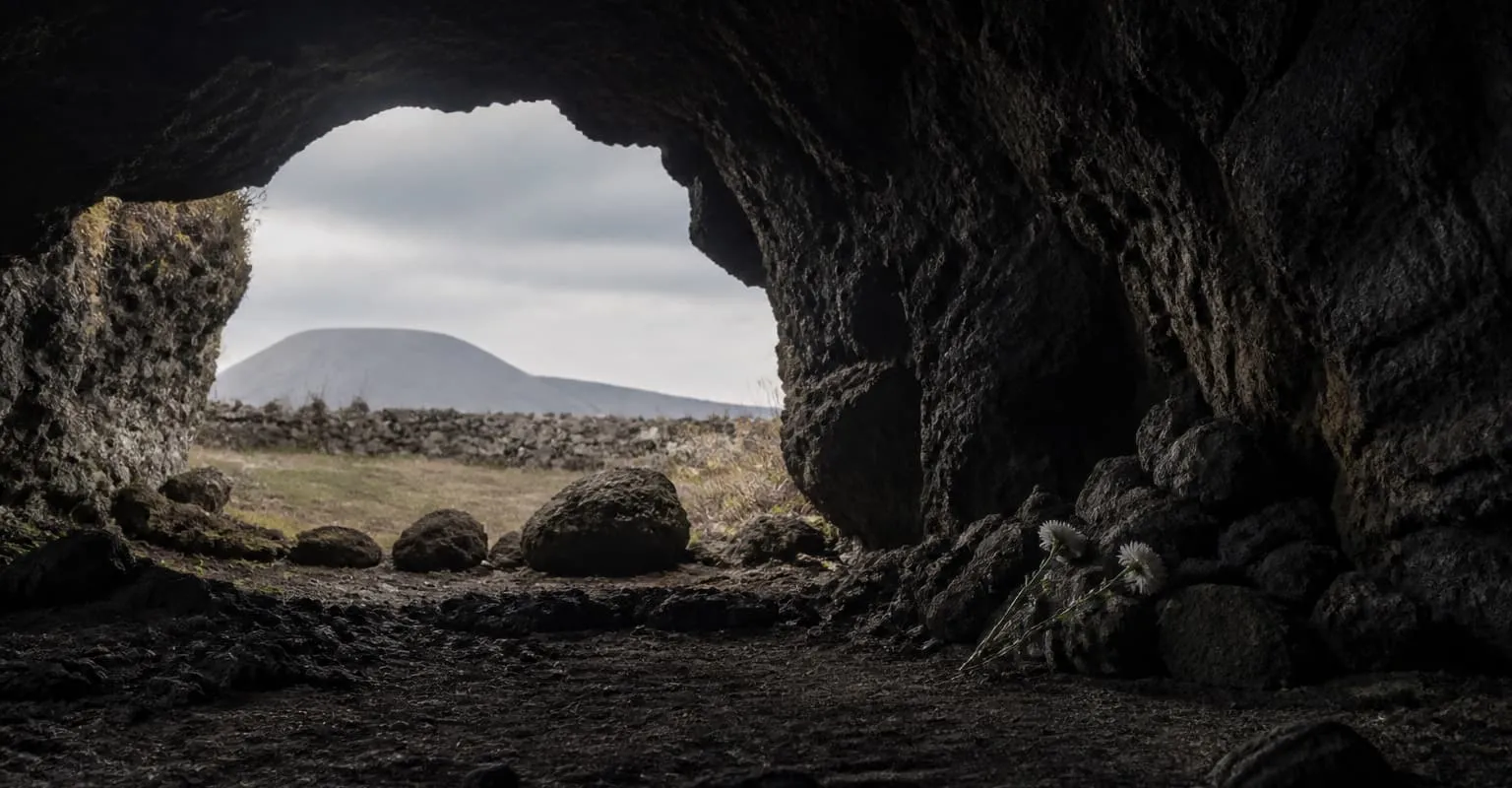
Darangshi Cave is the place where local residents hid and were killed by police and military troops in 1948, after the Jeju April 3 Incident. KBS places that violence inside a longer crackdown era from 1947 to 1954. The administration, as reported by KBS, frames the cave as a well-preserved site with historical and academic value — one that helped spark efforts to uncover the truth about the Jeju massacre and became widely known through media reports.
Manseojeong commemorates Jang Seok-yeong, who drafted the 1919 Paris Petition appealing for national sovereignty under Japan’s colonial occupation. Records preserved at the residence, KBS reports, serve as evidence of Korea’s independence movement. Pairing the two designations in one announcement links a Jeju state-violence site with a colonial-era petition archive under the same national-registration track.
Why it matters outside Korea
If you are in Korea for Liberation Day week (Gwangbokjeol, August 15) — or building an itinerary that includes Jeju memorial sites, independence-movement houses, or “heritage photo stops” — this is a status and access update, not a soft tourism teaser. National Registered Cultural Heritage status can change how sites are labeled, interpreted, and managed for visitors. Overseas readers who treat Jeju as a resort island only should update that map: Darangshi sits in the April 3 memory landscape, not the beach brochure.
For expats teaching English, guiding friends, or writing trip notes, the usable signal is dual literacy: Jeju’s postwar violence period (1947–1954 in the KBS frame) and the 1919 petition trail preserved at Manseojeong. That is more useful than a generic “Korea loves history” gloss during August commemorations.
What travelers and expats should watch
- Do treat Darangshi as a memorial / truth-site visit if you go — not a casual cave hike. Check current access rules, opening conditions, and whether guided interpretation is required before you add it to a Jeju day plan.
- Don’t assume the designation is already live. KBS says both sites still need the 30-day notice and Cultural Heritage Committee final review; trip blogs that say “already designated” are ahead of the process.
- Expect Liberation-week calendars to spotlight independence and Jeju April 3 memory sites; if you want quiet reading time at related exhibits, check hours and book ahead rather than assuming empty rooms.
- Re-check Chilgok / Manseojeong visiting details separately from Jeju cave logistics — same national-registration track, different province, different on-site rules.
Context
Read this as state heritage registration for contested memory and independence evidence, not as two unrelated “nice old places” getting a plaque. Korelay’s frame: one announcement braids a Jeju massacre cave that helped drive truth work with a Chilgok house that holds petition-era records — and both still sit in a public-notice window before the committee lock. For overseas visitors in Liberation week, the behavior change is itinerary literacy: know which story each stop carries, and do not blur Darangshi into generic lava-tube tourism.
Source
KBS World: 1948 Jeju Massacre Site, Independence Activist’s Former Home to Gain National Heritage Status — paraphrased for briefing; read the original for full detail.