Korea culture brief: Ahn Jung-geun’s prison calligraphy returns to Deoksu
A 1910 Lushun Prison scroll — “international law is no match for military might” — debuts at Jungmyeongjeon ahead of Liberation Day.
Source: The Korea Times
What happened
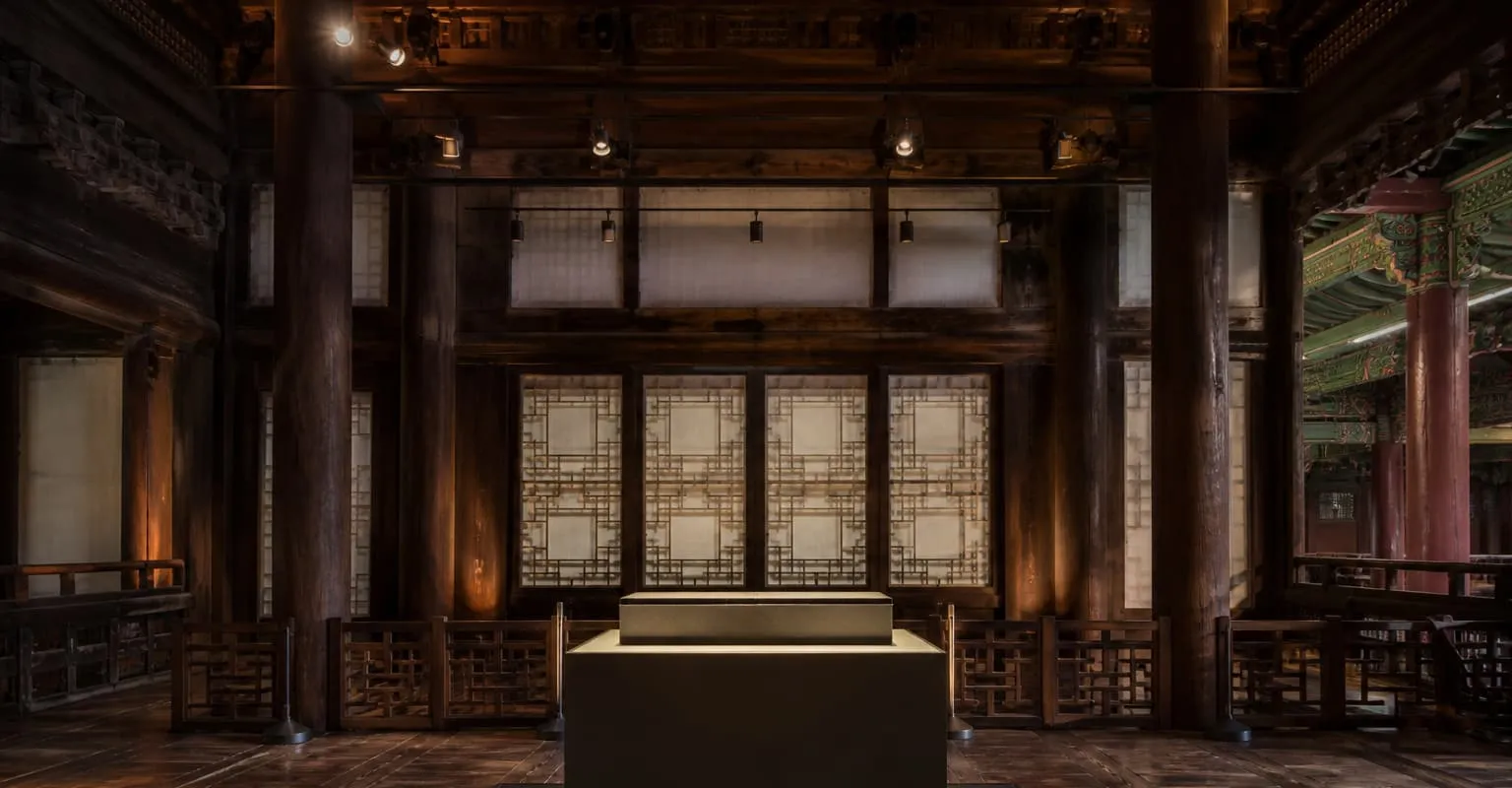
According to The Korea Times, a long-lost calligraphic work written in prison by independence activist Ahn Jung-geun was unveiled to the public for the first time on Thursday (Aug. 13) at Deoksu Palace’s Jungmyeongjeon Hall in Seoul, ahead of Korea’s 81st National Liberation Day. The eight-character scroll reads “Man guk gong beop bul yeo dae po” — rendered in the piece as “International law is no match for military might.”
Ahn wrote the work in March 1910 inside Lushun Prison in northeastern China, days before his execution at age 30 by Japanese colonial authorities. Five months earlier, on Oct. 26, 1909, he had assassinated Ito Hirobumi, Japan’s first prime minister and resident-general of Korea, at Harbin railway station.
The breakdown
The Times recounts Ahn’s insistence that the Harbin act was legitimate warfare as a lieutenant general of the Korean Righteous Army, and his demand to be tried under international law as a prisoner of war. Japanese authorities refused combatant status, prosecuted him as a common murderer, and sentenced him to death — the scroll’s bitter thesis, in the paper’s framing, is that imperial powers preached global law while force ruled.
The vertical scroll measures nearly two meters high, mixes standard, running, and cursive scripts, and bears Ahn’s signature left handprint with a shortened ring finger — amputated earlier in a pledge to independence — plus an inscription identifying him as a citizen of the Great Korean Empire writing from Lushun Prison in March of the Gyeongsul Year (1910). Provenance is fully documented: Lushun Prison director Sadakichi Kurihara originally acquired the scroll; it later passed to a Japanese collector. The Overseas Korean Cultural Heritage Foundation located it in Japan in May 2025 and secured repatriation last November with Lottery Fund support. Korea Heritage Service head Heo Min called the Liberation Day-timed unveiling moving and hoped it would remind visitors of ancestors’ sacrifices.
Why it matters outside Korea
If you schedule Seoul heritage days around Aug. 15, or brief overseas students on colonial memory beyond textbook summaries, this is a concrete object with a readable thesis — not another generic palace photo stop. Visitors who treat Deoksu as architecture-only miss a Liberation Week primary document about law versus force.
What travelers and expats should watch
- Do put Jungmyeongjeon / Deoksu on Liberation Day–adjacent itineraries if you want a primary-source encounter rather than only outdoor commemorations.
- Don’t flatten the scroll into a tourism slogan; the Times frames it as Ahn’s late recognition that legal protocols failed under imperial prosecution.
- Expect crowd and security rhythm around Liberation Day weekends near central palaces — plan entry timing, not only photo slots.
- Re-check museum hours and any timed ticketing before you promise a group the unveiling gallery.
Context
Read this as a repatriated primary text about power politics, not as a soft “K-heritage vibe” opener. The wire can stop at “artifact returns home”; Korelay’s frame is what the eight characters argue — and why overseas visitors should meet that argument in person before Liberation Day noise washes it out.
Source
The Korea Times: Hero’s final words from prison return home — paraphrased for briefing; page notes generative AI assistance edited by The Korea Times.