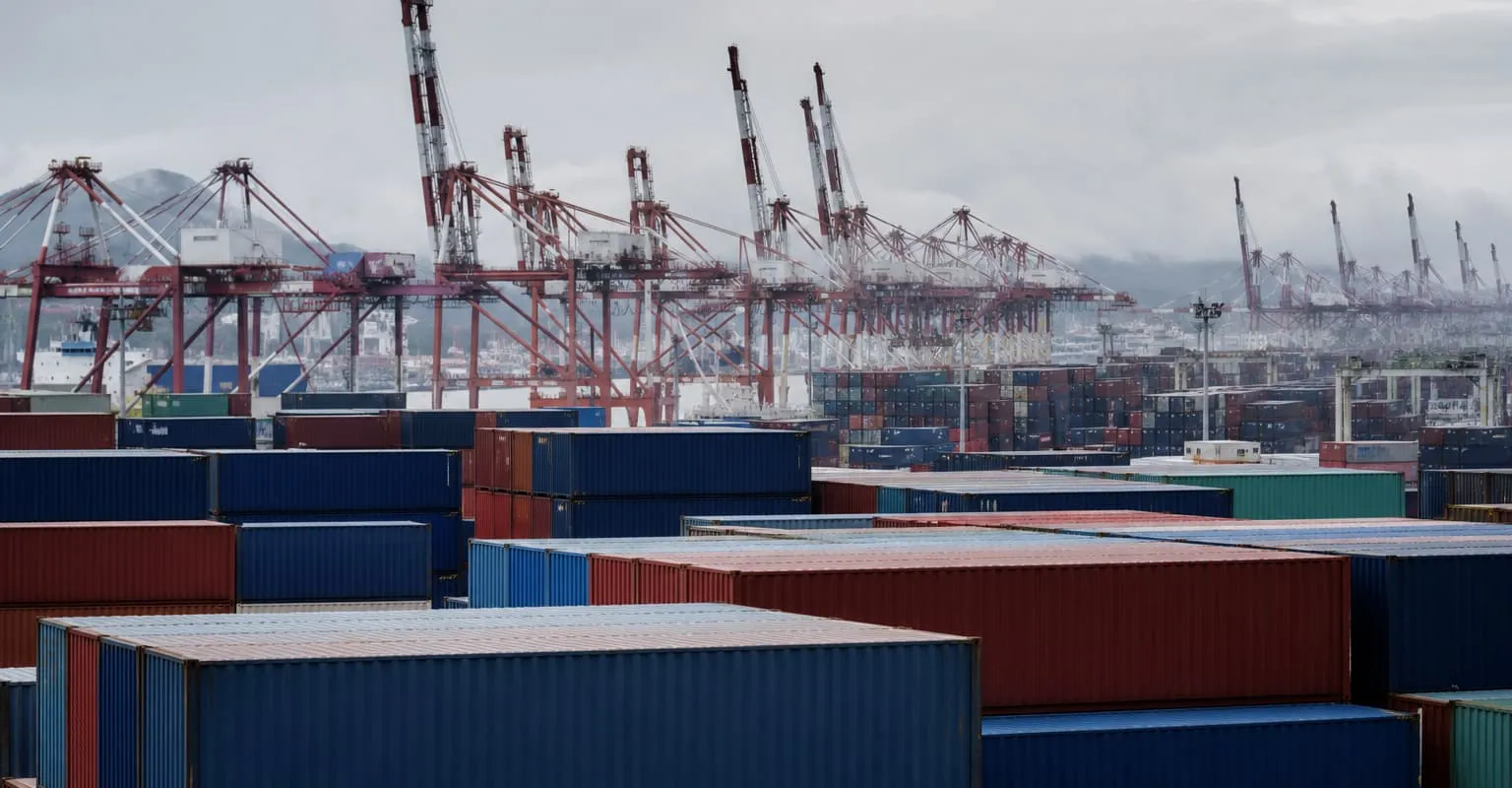
Korea business brief: U.S. sets 12.5% forced-labor tariffs — Seoul cites 15% cap
Washington finalized Section 301 forced-labor duties covering Korea at 12.5%, while Seoul says the U.S. reaffirmed the bilateral 15% tariff ceiling.
Source: The Korea Times
What happened
The Korea Times reported Friday that South Korea’s government said the United States has reaffirmed its commitment to honoring the existing Seoul–Washington tariff agreement after new Section 301 tariffs were announced. The Ministry of Trade, Industry and Resources said it had asked Washington to comply with the bilateral deal that set reciprocal tariffs on South Korean goods at 15 percent, and that the U.S. side “reaffirmed its position that the existing trade agreement must be upheld.”
In a companion Times report the same day, Washington finalized forced-labor-related Section 301 tariffs of 10 to 12.5 percent on 60 trading partners, effective Friday (U.S. time). Under the scheme, South Korea — with Japan and Switzerland — faces duties that bring the total U.S. tariff rate to 12.5 percent.
The breakdown
The new forced-labor tariffs arrived as temporary 10 percent worldwide tariffs expired Friday, after the U.S. Supreme Court in February struck down the Trump administration’s reciprocal tariffs, the Times reported.
For Korea, Japan, and Switzerland, products face additional Section 301 tariffs that bring the total U.S. tariff rate to 12.5 percent. Goods already under MFN tariffs of 12.5 percent or higher will not face new Section 301 duties. Some other partners, including Taiwanese and EU products, were described on a lower 10 percent total-rate path.
USTR Jamieson Greer framed the action as overdue enforcement of forced-labor import bans. Seoul had urged reconsideration last month, calling a proposed 12.5 percent tariff “unwarranted” and “disproportionate.”
Separately, the U.S. is still running Section 301 probes into alleged excess industrial capacity covering 16 economies including South Korea. The trade ministry cited US$122.9 billion in Korea-to-U.S. exports and $73.4 billion in imports last year. Officials, including Industry Minister Kim Jung-kwan, had stressed that Section 301 tariffs must not exceed the 15 percent bilateral ceiling.
Why it matters outside Korea
If you import Korean goods into the United States, sell Korea-origin products, or price contracts off “the Korea tariff,” Friday’s number is 12.5 percent on the forced-labor Section 301 track — not a casual headline. The live policy fight is whether later overproduction findings stack above the 15 percent deal Seoul treats as its red line.
For supply-chain planners outside Korea, the story is regime change after IEEPA reciprocal tariffs fell: Section 301 is the reconstruction tool, and Korea is in the higher 12.5 percent cohort with Japan and Switzerland.
What travelers and expats should watch
- Shippers and sellers of Korea-origin goods into the U.S.: re-check landed-cost sheets under the new Section 301 layer.
- Corporate buyers: ask whether quotes still assume the old temporary 10 percent global tariff or the new 12.5 percent Korea path.
- Do not confuse ceilings: Seoul’s 15 percent talking point is a bilateral-agreement claim about the overall cap, not a promise that today’s forced-labor rate is zero.
- Next risk: the ongoing excess-capacity Section 301 probe — ministry language says Korea will keep pushing so outcomes stay inside the 15 percent balance.
Context
Read the two Times pieces together: one is the USTR final forced-labor decision; the other is Seoul’s reassurance that Washington still nods at the 15 percent deal while another Section 301 track continues. Korelay’s framing: price the 12.5 percent that landed, track the 15 percent ceiling politics, and do not treat “agreement reaffirmed” as “investigation closed.”
Korelay take
Read the two Times pieces together: one is the USTR final forced-labor decision; the other is Seoul’s reassurance that Washington still nods at the 15 percent deal while another Section 301 track continues. Korelay’s framing: price the 12.5 percent that landed, track the 15 percent ceiling politics, and do not treat “agreement reaffirmed” as “investigation closed.”
Editor note: Desk reporting supplies the timeline; Korelay adds the overseas behavior layer (what to change, what not to assume, what to re-check). If you only need the wire facts, open the primary link in Source.
Source
Korea Times: Korea says US to honor 15% tariff cap regarding new Section 301 duties — and US announces 12.5% tariffs on Korea, Japan over forced labor concerns — paraphrased for briefing; read the originals for full detail.