Korea business brief: Naver outlines conditional $10B AI factory package
Naver, Nvidia, and Brookfield propose a $10 billion path to grow Sejong AI compute from 55 MW to 200 MW by 2028 — and what remains conditional.
Source: The Korea Herald
What happened
According to The Korea Herald’s report of presidential policy chief Kim Yong-beom’s San Francisco briefing, Naver plans a global “AI factory” package with Nvidia and Brookfield totaling about US$10 billion. Herald attributes the structure as US$1 billion from Nvidia and up to US$9 billion from Brookfield, tied to President Lee Jae Myung’s AI summit trip and Seoul’s broader megaproject push.
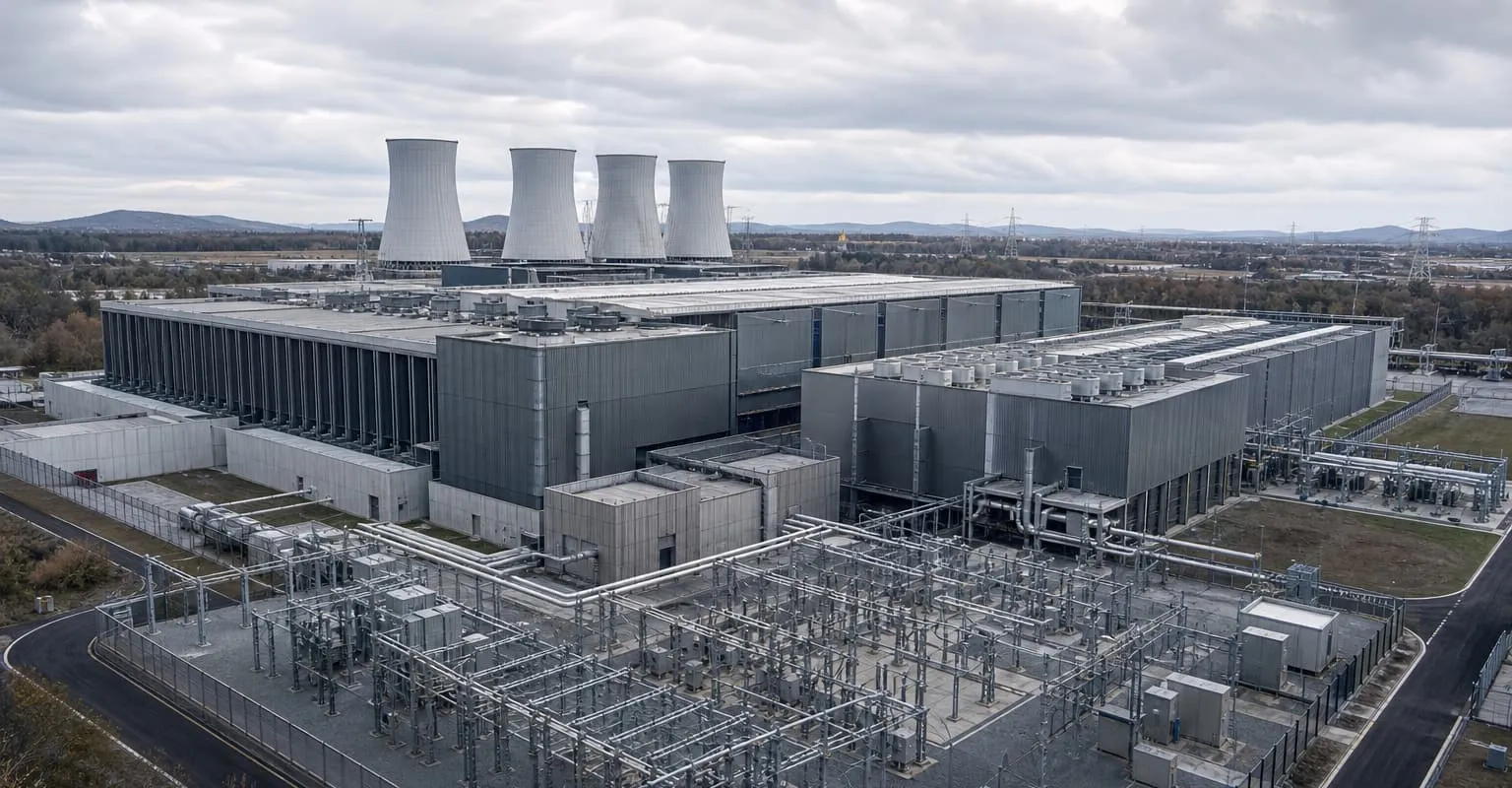
Nvidia’s company announcement, read as a secondary source for financing conditions, places the build at Naver’s GAK Sejong hyperscale data center and describes raising the initial Nvidia DSX AI-factory deployment from 55 megawatts to 200 megawatts by 2028.
The breakdown
Herald’s Kim briefing and Nvidia’s announcement align on the headline split:
- Brookfield: up to US$9 billion (Nvidia’s text: a nonbinding term sheet)
- Nvidia: planned US$1 billion investment (subject to customary closing conditions and Naver securing at least US$9 billion in committed financing, per Nvidia)
- Naver: funds the remaining amount and operates the stack as an Nvidia Cloud Partner
Capacity path: more than triple the prior 55 MW buildout to 200 MW by 2028, expected to feature Nvidia Vera Rubin and Blackwell platforms. Nvidia’s release also notes HyperCLOVA X work tied to Nvidia Nemotron open models, Naver joining the Nvidia Nemotron Coalition, an AI agent platform planned for Korea in the second half of the year, and a Seoul World Model effort using urban street-view data on Nvidia Cosmos foundations — treat those as company roadmap claims, not desk-verified delivery dates.
Why it matters outside Korea
This is the concrete “where do the GPUs live?” story inside Korea’s larger AI summit theater. Overseas founders, cloud buyers, and Korea-facing funds should read it as a sovereign-compute bet: Korea wants domestic full-stack capacity that U.S. and Korean builders can rent or partner into, not only export HBM chips.
It also matters for power and real-estate assumptions. 200 MW is not a boutique rack in Pangyo — it is utility-scale load in Sejong. Anyone modeling Korea AI growth without power interconnect timelines is doing tourism math.
What travelers and expats should watch
- Treat US$10 billion as a conditional financing path: Brookfield’s term sheet is nonbinding and Nvidia’s investment has closing conditions; do not treat the full amount as funded.
- Power and permitting lag: if you work near Sejong tech campuses, watch utility, construction, and road notices before changing housing or commute plans.
- Sovereign AI procurement: foreign SaaS sellers should check local-hosting and data-residency requirements in each Korean RFP rather than assume the announced factory changes current rules.
- Model and agent stack noise: HyperCLOVA / Nemotron collaboration talk is a product roadmap signal, not a reason to migrate production workloads overnight.
Context
Korelay’s framing: read this as Korea trying to own AI compute location, not only chip export. Change your assumption from “Korea = memory supplier” to “Korea = memory + megawatt host,” then demand delivery dates before you rebook architecture. Herald carries the Seoul briefing numbers; Nvidia supplies the conditions that keep the package from sounding like cash already wired.
Korelay take
Korelay’s framing: read this as Korea trying to own AI compute location, not only chip export. Change your assumption from “Korea = memory supplier” to “Korea = memory + megawatt host,” then demand delivery dates before you rebook architecture. Herald carries the Seoul briefing numbers; Nvidia supplies the conditions that keep the package from sounding like cash already wired.
Editor note: Desk reporting supplies the timeline; Korelay adds the overseas behavior layer (what to change, what not to assume, what to re-check). If you only need the wire facts, open the primary link in Source.
Source
The Korea Herald: Korea, US tech giants set sights on $950 billion in chip partnerships: Seoul — primary (Kim briefing section on Naver). Conditions cross-checked against NVIDIA Newsroom company announcement (secondary; not a desk primary).