Korea business brief: Oct. 1–20 exports hit $61.6 billion as chips take 44.7 percent
Chosun Biz on Korea Customs Service preliminaries: $61.6 billion in exports through Oct. 20, up 105.4 percent; semiconductors $27.5 billion, up 222.5 percent. A surplus of $14.5 billion — concentration risk, not a broad boom to trade on.
Source: Chosun Biz
What happened
The Korea Customs Service’s preliminary Oct. 1–20 trade print, released Oct. 21 and reported by Chosun Biz, put exports at $61.6 billion — the highest ever for that slice of October, up 105.4 percent or $31.61 billion from a year earlier. Average daily exports, adjusted for working days, were $4.74 billion, up 65.9 percent, also a record on that daily basis.
Semiconductors were $27.5 billion, up 222.5 percent. Their share of total exports rose 16.2 percentage points to 44.7 percent. Other gainers in the same table: computers and peripherals 424.0 percent, petroleum products 68.3 percent, passenger cars 40.9 percent.
By market, exports rose to the United States (154.9 percent), China (154.4 percent), the EU (78.2 percent), Vietnam (74.6 percent), and Taiwan (36.7 percent). The United States, China, and Vietnam together were 52.7 percent of exports. Imports were $47.1 billion, up 42.8 percent or $14.13 billion, with semiconductors 78.4 percent, crude oil 42.9 percent, and gas 112.4 percent. The trade balance for the period: a $14.5 billion surplus.
The breakdown
Three numbers do different jobs. Do not mash them.
$61.6 billion is a twenty-day total, not a full-month forecast. $4.74 billion is the working-day daily rate — use that if you are comparing calendars with different weekend counts. 44.7 percent is the concentration statistic: almost half of the headline is one industry.
The import side is not a “Korea is booming so everyone should import more” story. Chip imports up 78.4 percent sit beside gas up 112.4 percent and crude up 42.9 percent. The surplus is real in this preliminary window; it is also a semiconductor-and-energy sandwich.
Country percentages are year-on-year growth rates, not shares. A 154.9 percent jump to the United States is a growth rate. The share number the desk gave for the top three markets is 52.7 percent. Keep those units apart if you brief a boss.
Why it matters outside Korea
If you buy Korean chips, cars, or petrochemicals, this print is a capacity-and-price signal, not a reason to “get into KOSPI.” If you run a Korea-bound purchasing calendar, the twenty-day record can mean longer lead times and louder allocation talk — especially if your SKU sits behind the same fabs that produced that $27.5 billion.
If you remit, invoice, or hedge KRW, a chip-heavy surplus is not the same as a consumption boom. The next day’s Bank of Korea copy (held as a separate brief) is where growth and inflation get named. This Customs sheet is the shipment layer.
What travelers and expats should watch
- Do read the unit before you forward the headline. Twenty-day total vs. daily average vs. share vs. year-on-year percent are four different claims.
- Don’t treat “exports doubled” as a reason to change a personal stock or FX bet. This is a briefing on a preliminary Customs window, not investment advice.
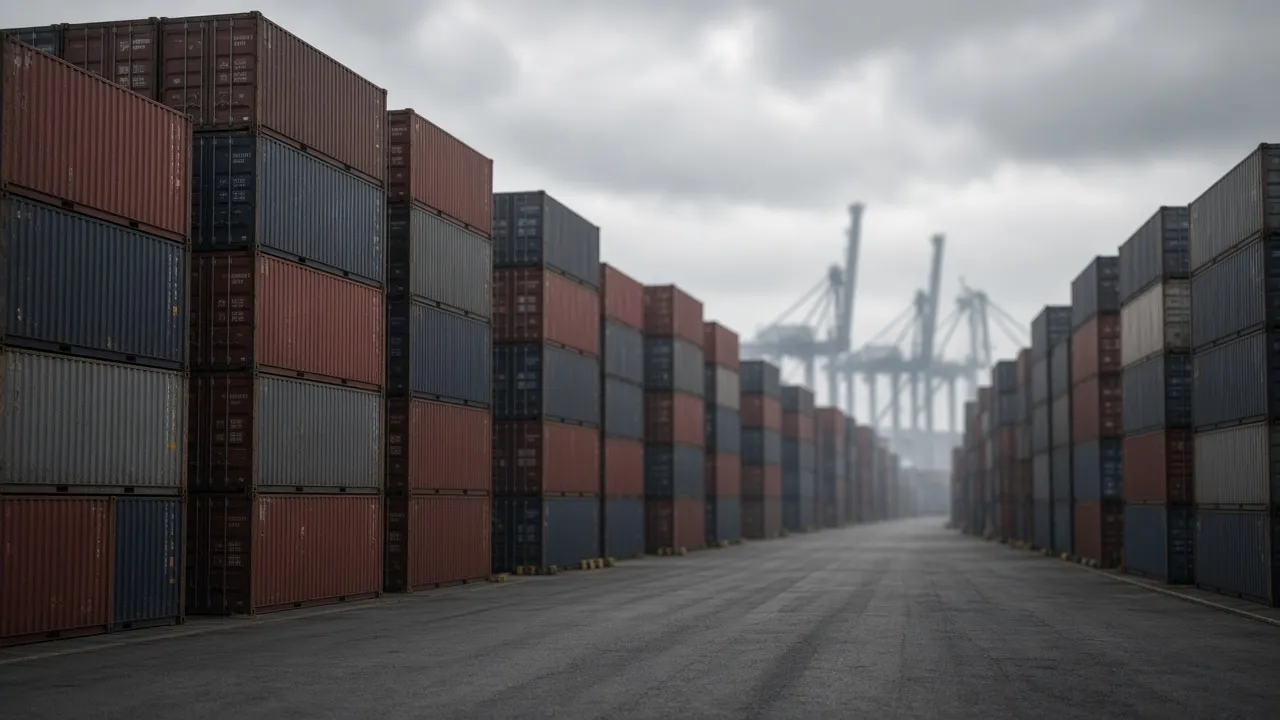
- If you ship through Pyeongtaek, Busan, or Incheon, ask your forwarder whether cut-offs are slipping while containers stack — the desk’s photo is Pyeongtaek, and the operational watch is congestion, not patriotism.
- Procurement teams: re-check semiconductor and PC-peripheral quotes against the 222.5 percent and 424.0 percent lines; those are the categories where “the old price is still good” is most likely stale.
Context
Read this as a chip-share print with a surplus attached, not as “the whole Korean economy just doubled.” Korelay’s frame: when semiconductors are 44.7 percent of exports, the headline is a concentration dashboard. Celebrate the surplus if you must; staff the bottleneck if you actually move goods.
Source
Primary: Chosun Biz, Oct. 21, 2026 (English; Korea Customs Service Oct. 1–20 preliminary). Figures as reported; later revisions can move preliminaries. Not investment advice.