First month in Korea: expat survival checklist
Phone, transit, banking, and neighborhood basics for new arrivals — orientation, not a legal playbook.
Source: Hi Korea
What this is
Your first month in Korea is mostly infrastructure month: phone, transport, address proof, grocery rhythm, and learning which government errand waits on which document. This checklist orders the chaos — it is not visa or tax advice.
How it works in Korea
Phone and data. Most newcomers start with a tourist or short-term SIM at the airport, then switch to a local plan once they have an address and ID path sorted. Phone numbers anchor app accounts — delivery, banking OTP, and transit apps often expect a Korean number.
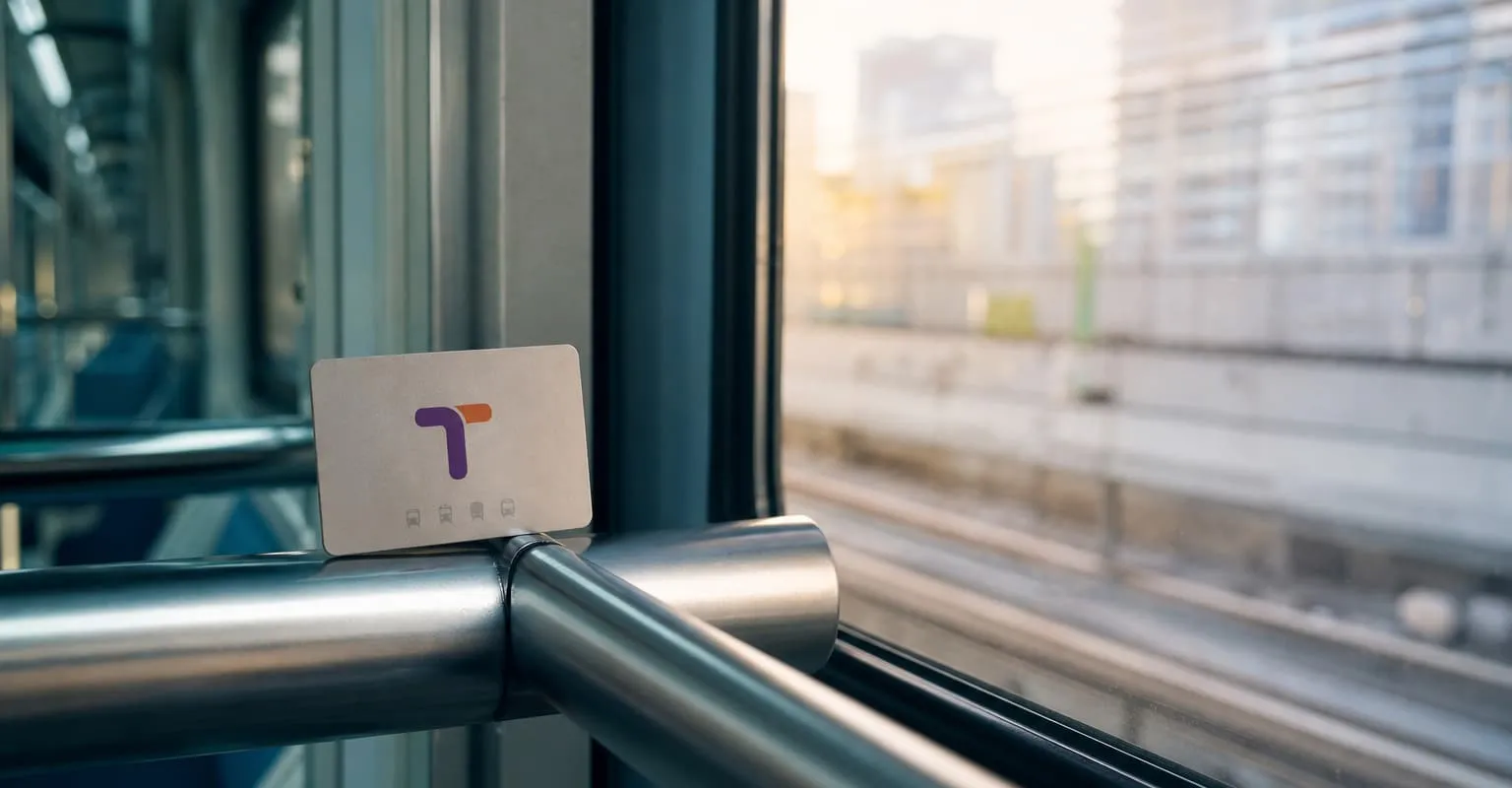
Transit. T-money (티머니) or compatible rechargeable cards work on subway and bus in metro areas. Tap in and out; failed tap-out can charge maximum fare. Kakao T and other ride apps need language and payment setup.
Banking. Opening a Korean bank account typically requires an passport plus whatever your visa class demands — often Alien Registration Card (ARC) or proof of enrollment/employment. Until then, many expats run on international cards with ATM withdrawal limits and app payments where accepted.
Housing admin. Whether you are in a share house, officetel, or jeonse/wolse lease, locate your building management office, trash/recycling rules, and gas shutoff before an emergency. Korean buildings enforce waste sorting strictly in many districts.
Health basics. Locate a neighborhood clinic (uiwon, 의원) for small issues; major hospitals want insurance cards and Korean phone contact. This is not medical advice — just navigation.
Community layer. Language exchange apps, district foreign centers, and workplace onboarding fill the social gap while you learn errand vocabulary.
Week two usually surfaces the admin stack you deferred: immigration appointments, school registration, or employer HR forms. Keep a single folder — physical or cloud — for PDFs and stamped receipts; Korean admin loves paper trails even when apps exist.
Why it matters outside Korea
Expats from countries with slow DMV-style bureaucracy often underestimate how digital Korea is — and how many doors still require in-person stamps, sealed documents, or Korean phone verification. Doing phone and transit in week one prevents a cascade where you cannot order food, pay utilities, or book a doctor online in week three.
Visitors-turned-residents also confuse “tourist functional” with “resident functional.” The first month is when that gap shows up.
What travelers and expats should watch
- Do photograph your lease, ARC receipt, and utility bills once you have them — admin tasks repeat.
- Do learn your district office (구청) location early; many resident services are local, not one national desk.
- Don’t carry your ARC passport-style everywhere — carry a photo copy; replace if lost through official channels.
- Expect official websites to favor Internet Explorer compatibility notes and Korean-first forms; allow time for translation help.
Context
Read this as resident plumbing, not “Korea is impossible.” The country is highly convenient once phone, transit card, and address proof connect. Month one feels slow because those three nodes unlock everything else.
Korelay take
This is a first-party living guide, not a news wire rewrite. Use it to plan behavior (what to buy, book, say, or avoid) before you land — then confirm prices and rules on the linked official page, because retail and admin details move.
Source
General newcomer orientation aligned with VISITKOREA and public resident-service framing. Not legal, visa, or tax advice — confirm requirements for your status on official government sites.